

The Sound of G-Funk: How DJ Quik Helped Define West Coast Hip-Hop
Hip-hop has always been regional. Atlanta shaped trap music. Chicago pioneered drill. When it comes to the West Coast, one sound continues to stand above the rest: G-funk.

By Jamari Shelton
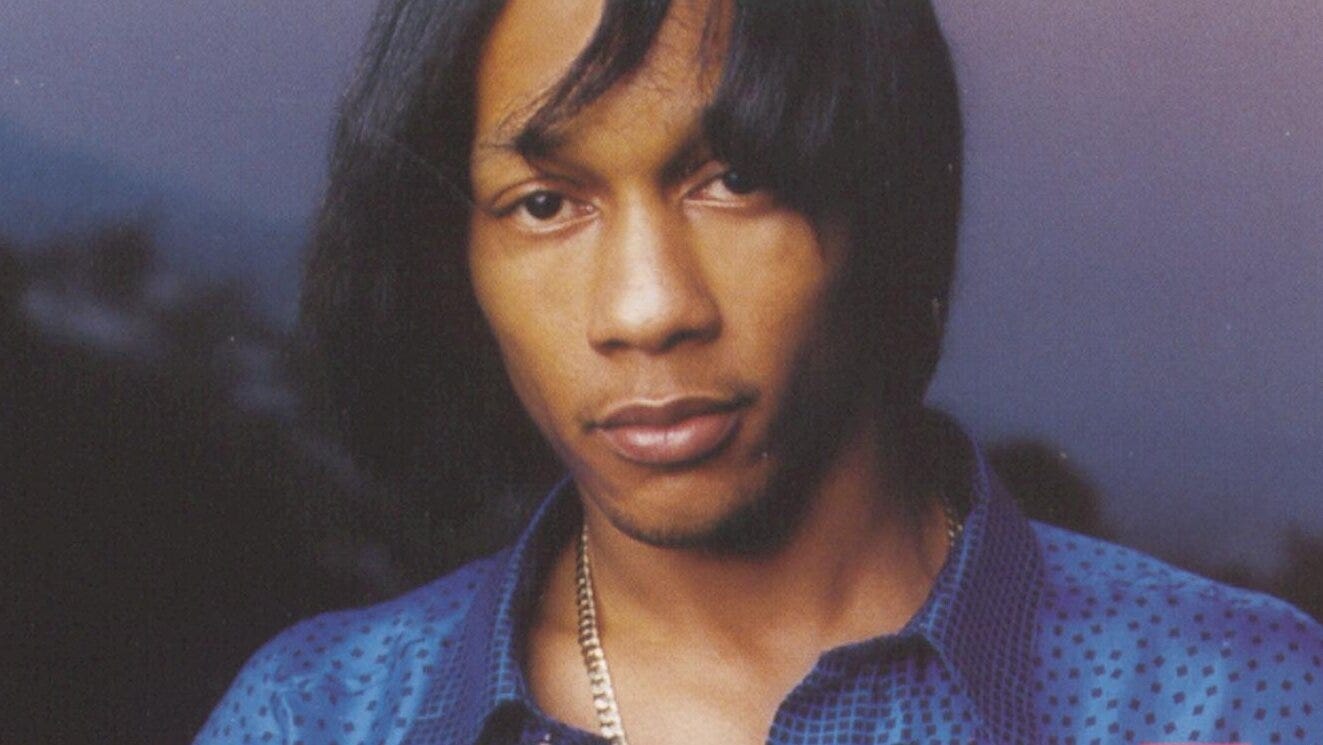
Hip-hop has always been regional. Atlanta shaped trap music while Chicago pioneered drill. But when it comes to the West Coast, one sound continues to stand above the rest: G-funk.
Defined by buttery synths, deep basslines, talk box vocals, and infectious grooves, G-funk transformed hip-hop in the early 1990s. It captured the sun-soaked streets of Southern California, blending the grit of gangsta rap with the smooth musicianship of ‘70s funk.
While artists like Warren G, Dr. Dre, and Snoop Dogg helped push G-funk into the mainstream, DJ Quik carved out his own lane as one of the genre’s most gifted architects. A rapper, producer, engineer, and multi-instrumentalist, Quik’s music showcased a level of musicianship that continues to influence artists decades later.
What Exactly Is G-Funk?
Short for “Gangsta Funk,” G-funk emerged in the late ‘80s and exploded into the mainstream during the early ‘90s. The genre drew heavily from legendary funk groups like Parliament-Funkadelic, Zapp, The Gap Band, and Ohio Players, sampling or recreating their signature grooves and pairing them with rap flows.
Rather than focusing on aggressive drums or dense production, G-funk prioritized melody. The sound became recognizable through several defining elements:
Warm synthesizer leads
Thick, rolling basslines
Slow-to-midtempo rhythms
Talk box vocals popularized by Roger Troutman
Funk-inspired guitar riffs
Rich harmonies and layered instrumentation
The result was music that could feel smooth, celebratory, reflective, or intimidating—all while keeping listeners locked into mellow grooves.
DJ Quik: The Man Behind the Sound
Although DJ Quik earned recognition as an MC, production has always been his greatest strength.
Unlike many producers of his era who relied heavily on drum machines and chopped samples, Quik approached every record with the mindset of a musician. He played instruments, layered live sounds, and meticulously mixed his records until every kick drum, bass note, and keyboard melody sat perfectly in the mix.
His 1991 debut album, Quik Is the Name, introduced listeners to his signature style. Songs like “Tonite” blended classic funk influences with modern hip-hop production, creating records that sounded polished without losing their street edge.
As Quik’s career evolved through albums like Way 2 Fonky, Safe + Sound, and Rhythm-al-ism, his production became even more sophisticated. Jazz chords, live instrumentation, vocal harmonies, and intricate arrangements became staples of his work, proving that hip-hop production could be just as musically complex as any other genre.
A Lasting Influence
The influence of G-funk extends far beyond the 1990s.
Artists including Kendrick Lamar, Anderson .Paak, Tyler, the Creator, YG, and Blxst have all embraced elements of West Coast funk throughout their careers. Whether it’s lush synths, bouncing basslines, or live instrumentation, the DNA of G-funk continues to shape modern hip-hop and R&B.
DJ Quik himself has also remained one of hip-hop’s most respected producers, collaborating with artists across multiple generations while continuing to refine his sound. Many producers still study his mixing techniques, drum programming, and ability to create records that feel both polished and deeply human.
His influence often flies under the radar compared to some of his contemporaries, but among musicians and producers, Quik is frequently mentioned as one of hip-hop’s true perfectionists.
Essential DJ Quik Listening
If you’re just beginning to explore his catalog, these tracks offer the perfect introduction:
“Tonite”
“Born and Raised in Compton”
“Dollaz + Sense”
“Pitch in on a Party”
“Safe + Sound”
“Summer Breeze”
Why G-Funk Prevails
More than thirty years after its rise, G-funk continues to resonate because it was built on timeless musical foundations. Funk has always emphasized groove, rhythm, and musicianship, and producers like DJ Quik translated those qualities into hip-hop without losing their authenticity.
In an era where production trends can change overnight, Quik’s music still sounds remarkably fresh. His records are warm, dynamic, and full of life—qualities that make them just as enjoyable today as they were in the early ‘90s.
G-funk isn’t simply a nostalgic chapter in rap history. It’s one of hip-hop’s richest sonic traditions, and DJ Quik remains one of its finest craftsmen. His music reminds us that sometimes the most powerful records aren’t the loudest. They’re the ones that make you roll the windows down, turn the volume up, and let the groove do the talking.
Although G-funk reached its commercial peak in the ‘90s, its influence never disappeared. Today’s artists continue to reinvent the sound, blending classic West Coast funk with modern hip-hop and R&B.
Blxst has become one of the clearest examples of G-funk’s evolution. Songs like “Chosen” and “About You” lean into the same laid-back California vibes with a new formula for a new generation. Even Kendrick Lamar has paid tribute to the genre throughout his career. Songs from good kid, m.A.A.d city and To Pimp a Butterfly borrow from classic West Coast production while honoring the artists who helped define the region’s sound.
Jamari Shelton is a Chicago-based entertainment writer and pop culture enthusiast covering breaking celebrity news, television, film, reality TV, and the internet moments everyone can’t stop talking about. She recently graduated from Columbia College Chicago with a degree in Broadcast Journalism, and is passionate about telling stories that inform, entertain, and spark conversation.