

The Architects Behind the Sound: R&B Producers and Their Lasting Impact
A cultural think piece that centers producers as the driving force behind the genre.


Rhythm and Blues, a genre emerging in the 1940s, has experienced many transformations from its name to its sound, continuously proving that it is a genre meant to evolve. While some are unsure if it can remain relevant in an ever-changing culture, R&B is not dying, and R&B producers are the architects ensuring that this raw, passionate, and intimate art form remains timeless. Producers are the designers, creators, and foundation builders of a genre that is a reflective, layered, and emotional storyteller. In R&B, we see ourselves in many forms of love: romantic, toxic, and self-love. We also find ourselves empowered, with our stories told in songs describing life challenges, mental health, and personal growth. It’s like poetry with a melody and the words on the pages of a good book that you cannot stop reading.
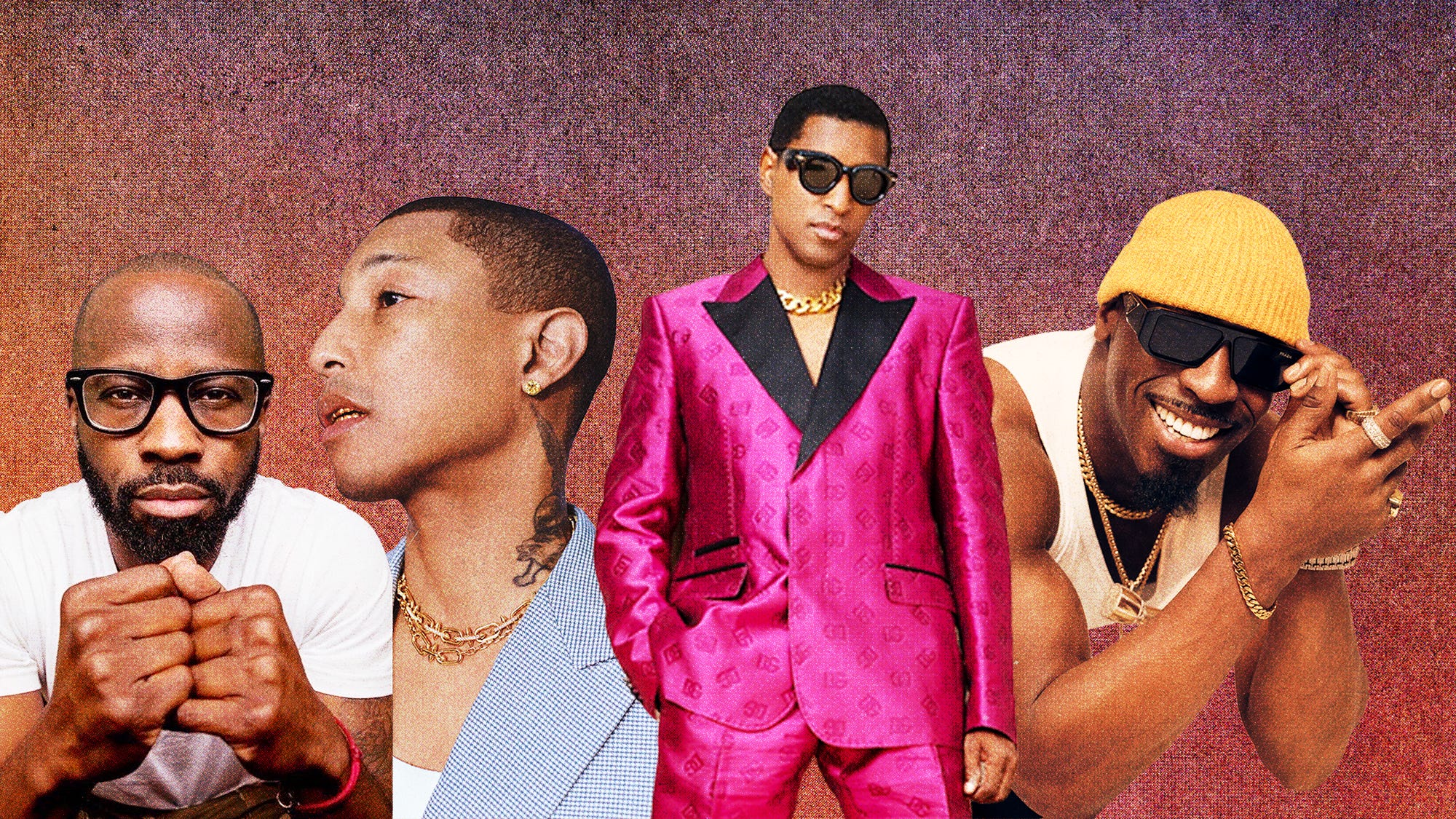
The National R&B Hall of Fame explores the evolution of R&B and highlights how, in the late 1980s and early 1990s, producers shaped an entire generation. As they state, “R&B started to become homogenized, with a group of high-profile producers responsible for most R&B hits”. This perspective accurately reflects how hits were crafted and styles were defined across eras of R&B, allowing the genre to remain both consistent and innovative.
The truth is, what was happening during this timeframe helped prepare the next generation and was extremely influential in the rise of hip-hop. The late 80s and 90s gave us producers like Teddy Riley, who had a way of merging R&B and hip hop, giving us lasting hits like “My Prerogative” by Bobby Brown, “No Diggity” by Blackstreet, and “Piece of My Love” by Guy. Babyface was a consistent hitmaker, giving lovers a space to be seen with timeless classics like “Never Gonna Let You Go” by Faith Evans, “I’m Ready” by Tevin Campbell, and “Superwoman” by Karyn White. The list of great producers continues with Darkchild, Dallas Austin, and the legendary duo Jimmy Jam & Terry Lewis, just to name a few. Let’s not overlook the fact that these greats were influenced by key figures in the R&B game: Jerry Wexler, Berry Gordy, and Quincy Jones, all of whom established a solid blueprint for many to be inspired by generation after generation.
Now, in a time where podcasting is on the rise, we have the ability to connect more with these influential figures, learning more about their stories, history, and how they contributed to the evolution of R&B and Black culture. We see these conversations on shows like R&B Money Podcast, which is hosted by Tank, a notable songwriter, producer, and singer, and J. Valentine, who is behind platinum hits; as well as Shawn Stockman’s On That Note podcast, where he is most known for being part of the legendary group Boyz II Men.
On a recent episode of On That Note, Shawn interviewed another notable R&B producer, Bryan-Michael Cox. Cox’s production career began in the late ’90s, and over two decades later, he is still contributing to the R&B landscape. He was recently recognized as one of Billboard’s Top R&B/Hip-Hop Producers of the 21st century, holding the number two spot behind Jermaine Dupri. The conversation between two greats served as a reminder that R&B producers are the foundation of the genre and the translators of culture. Without the vision of producers, the genre as we know it would not exist. A producer can turn a flop into a hit, connect us to our emotions and identity, and help shape the careers of R&B superstars.
R&B production and the producers behind it do not just give us music to enjoy; they translate life experiences into words, sounds, and melodies that people can relate to, get lost in, feel deeply, and see their own stories in. It’s an undeniable gift and talent that elevates an artist’s visions and shapes an artist’s sound. They are intentional in vocal arrangements, instrumentation, layering, and timing, creating moods we can connect with while setting the tone and atmosphere. The influence of gospel music can be heard in much of what we love, as R&B producers have a way of evoking inspiration, empowerment, and hope through their work. There is a difference between a good song and a lasting song, one that continues to inspire and influence more timeless hits. The songs producers give us become part of our core memories, both individually and culturally. They orchestrate music that allows us to celebrate our loved ones, our birthdays, protest against injustice, and sing our hearts out.
R&B is not just an American genre; it influences the entire world, and producers are the driving force behind it. There are producers whose names we often hear, but we must also give flowers to the late greats and those who deserve to be amplified more. Static Major gave us timeless classics that still feel fresh today, including “Pony” by Ginuwine, “Rock the Boat” by Aaliyah, and “Cheers 2 U” by Playa. LaShawn Daniels is known for his contributions to major hits for Destiny’s Child, and the hit song “The Boy Is Mine” by Brandy and Monica. Missy Elliott creates space for women in this conversation and is notably known for her work with Aaliyah and Timbaland & Magoo. She also produced unforgettable classics, like “Free Yourself” by Fantasia and “Need U Bad” by Jazmine Sullivan. Mariah Carey is another credible producer, having self-produced major hits like “Fantasy” and “Don’t Forget About Us,” with a catalog that continues far beyond the songs mentioned.
The producers who emerged in the late 80s and 90s have evolved into the 2000s and continue to give us major hits today. We should also keep our eyes on those who are leaving a mark on today’s R&B, including D’Mile and Kaytranada, both of whom have contributed to recent work by Alex Isley, along with other notable names like Steve Lacy, who has produced for Kali Uchis, Solange, and The Internet; and Jack Rochon, who has produced for H.E.R., Kehlani, Beyonce, 6LACK, and Nija.
Today’s producers continue to show that R&B does not become stagnant or fade away. R&B sets the tone, the standard, and remains a trendsetter. When the question arises of whether R&B can last or if it is the same as it once was, we must recognize that it is not only lasting, but continuously evolving to meet the present moment while still honoring its past, and we can show gratitude to the producers and production behind it all.
Written by Courtney Clardy
 | A guest post by
|
Love these folks, so many of my heroes!
🔥🔥