

The AI Gold Rush: Is Music Being Reinvented or Replaced?
Artificial intelligence has officially entered the studio.

By Jamari Shelton

Artificial intelligence has officially entered the studio.
‘AI’ as a music tool has become a mainstream phenomenon in recent years, with the release of ChatGPT, a chatbot created by OpenAI in 2022. At the time, it wasn’t as advanced as it is today, but that’s changed drastically. AI can now write lyrics, generate instrumentals, imitate vocal styles, and even create entirely virtual artists capable of landing record deals and charting alongside human musicians.
For some, it’s the future of music. For others, it’s a threat to everything that makes music human.
As tech companies race to develop increasingly sophisticated AI music models, a growing number of artists are asking an uncomfortable question: Was my music used to build these systems without my permission?
Generative AI platforms like Suno and Udio train their systems by analyzing massive datasets of existing audio, sometimes containing millions of tracks by our favorite artists. Meanwhile, AI-generated artists are beginning to find commercial success, forcing the industry to wrestle with what creativity looks like in the age of algorithms.
For R&B, a genre built on vulnerability and raw vocals, the debate feels especially personal.
The New Gold Rush
Throughout history, every technological breakthrough has sparked a race for opportunity. Like the release of the iBook in 1999, forcing other tech companies to adapt to wireless networking. And fast.
Streaming changed how artists released music. Social media reshaped marketing. TikTok transformed songs into viral moments overnight. Now, artificial intelligence has become music’s newest gold rush.
Companies developing AI music software need enormous amounts of data to make their models sound convincing. That means feeding systems thousands of existing songs so they can learn melodies, harmonies, vocal inflections, production techniques, chord progressions, and songwriting structures.
The more music the models consume, the more realistic their output becomes. But many musicians argue that this process often happens without transparency. Or consent.
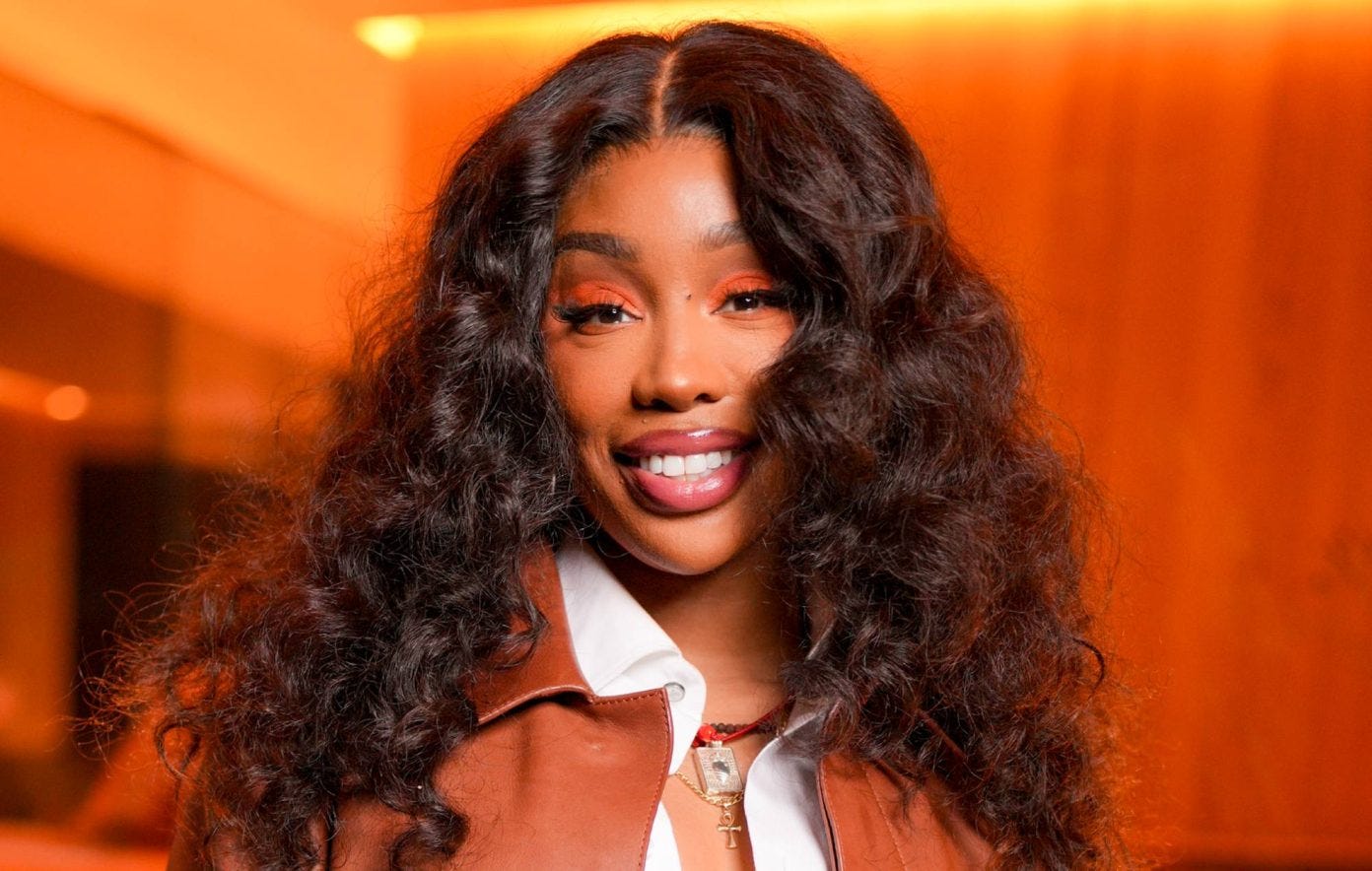
Unlike a young songwriter studying their favorite album for inspiration, AI can analyze an artist’s entire catalog within minutes, learning patterns that allow it to generate songs that feel eerily familiar. Even duplicate the artist’s flow and personality.
That distinction has become one of the industry’s biggest ethical questions.
SZA’s Breaking Point
Few artists have been more vocal about AI than SZA.
Earlier this year, the Grammy Award-winning singer shared that she searched an AI music database and allegedly discovered 238 of her songs had been included in AI training datasets. According to SZA, some of those recordings may even have been unreleased.
“Just checked and music AI has trained off 238 of my songs… If you’re a musician and you support this degenerate… you’re disgusting,” the singer posted to her Instagram story.
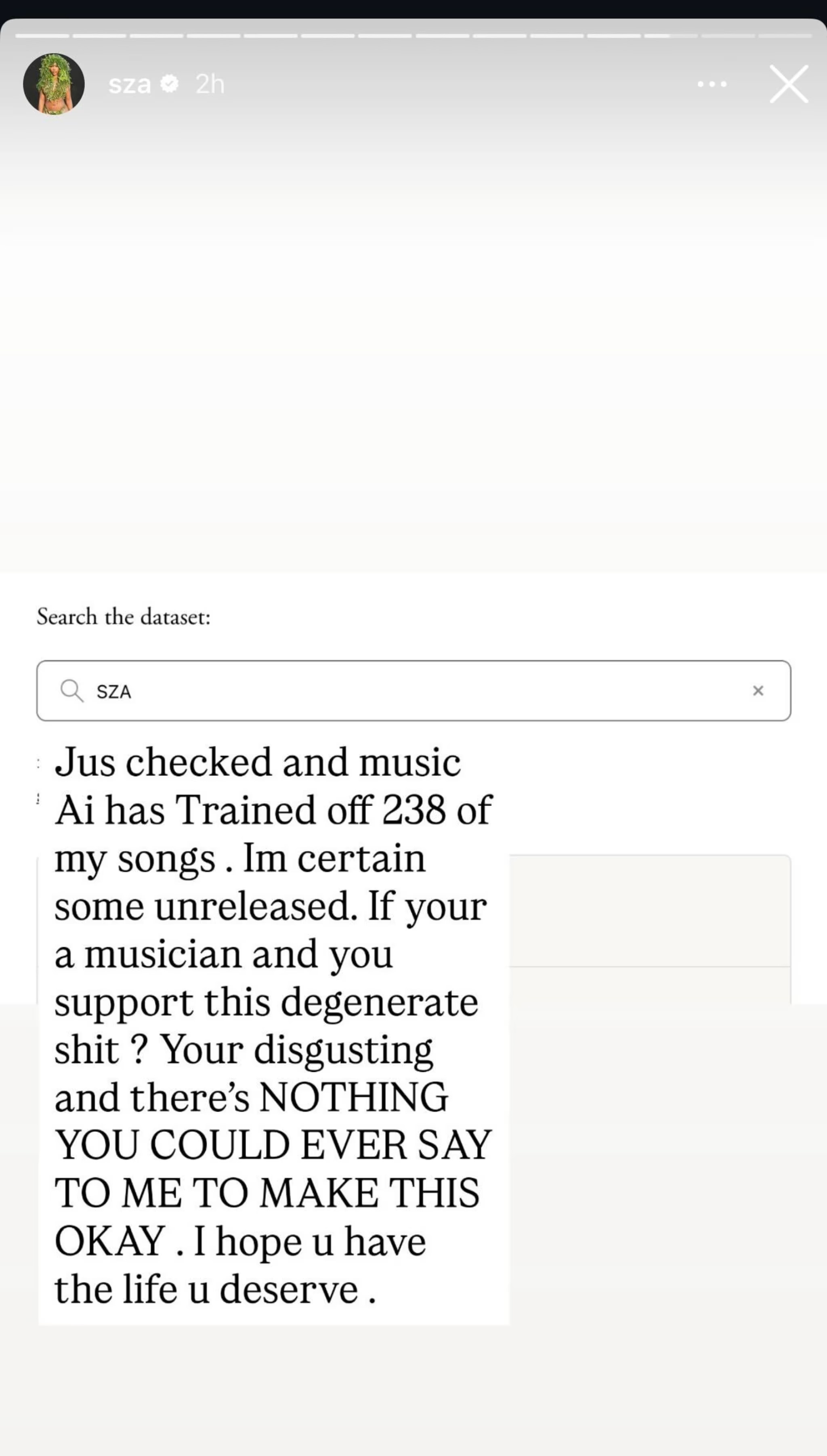
She has previously urged fans not to create AI-generated images or songs using her likeness, writing, “Hey, I hate AI. If you f— with me, PLEASE don’t make any AI images of me or songs.” She has also criticized the environmental impact of AI data centers, arguing that the technology carries costs beyond the music industry. AI requires large amounts of electricity to power processing chips and uses tons of gallons of water to cool data centers.
Kehlani Says “I Don’t Respect It”
SZA isn’t alone.
When news broke that AI-generated R&B artist Xania Monet had reportedly secured a $3 million record deal, singer Kehlani publicly condemned the development.
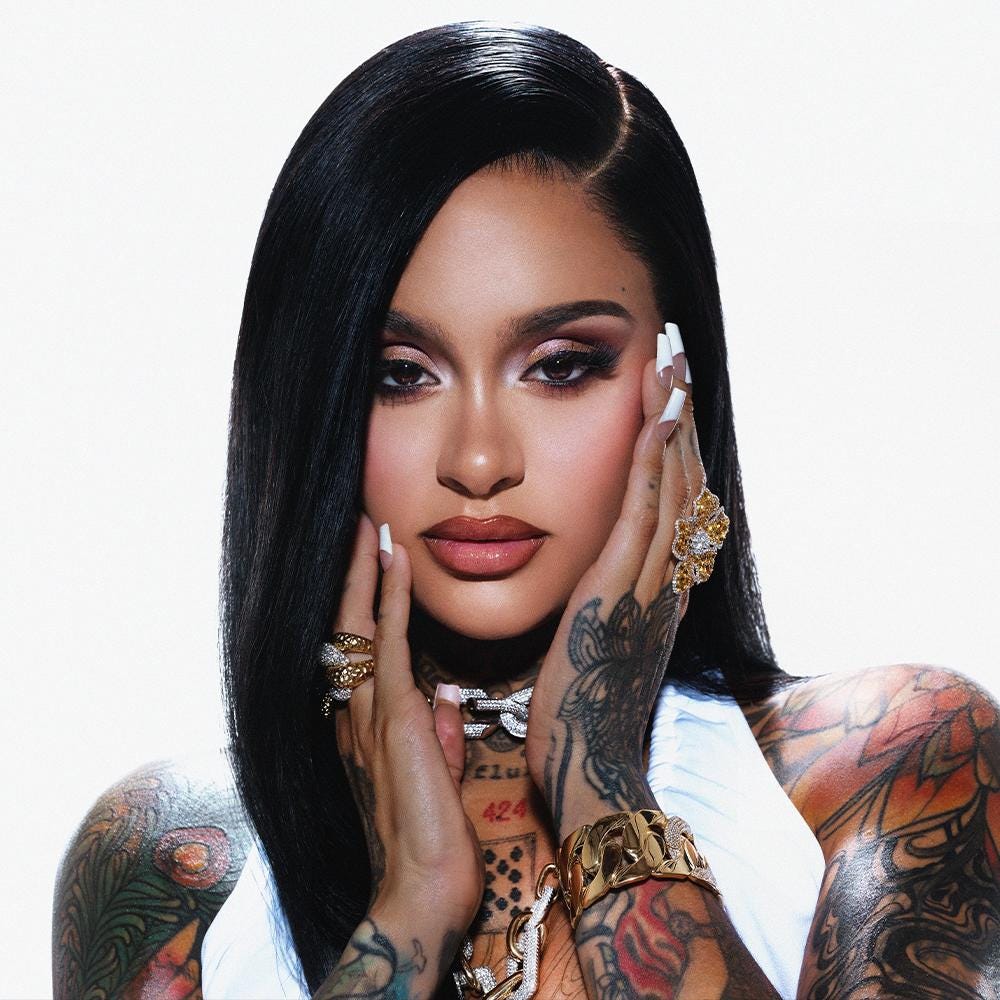
In a video shared online to her Instagram account, Kehlani said, “Nothing and no one on Earth will ever be able to justify AI to me, especially… AI in the creative arts, in which people have worked hard for, trained for, slept on the floor for, got injuries for, worked for their entire lives.”
Responding specifically to Xania Monet’s deal, Kehlani added simply, “I don’t respect it.”
Her criticism reflects a concern shared by many musicians: AI-generated performers could eventually compete for playlist placements, radio spins, label investments, and audience attention without ever spending years learning to sing, write, or perform.
Meet Xania Monet
Xania Monet has become one of the first AI-generated R&B artists to achieve legitimate commercial success. The “singer” made history by charting on Billboard’s Adult R&B Airplay chart before signing a reported multi-million-dollar deal with Hallwood Media.
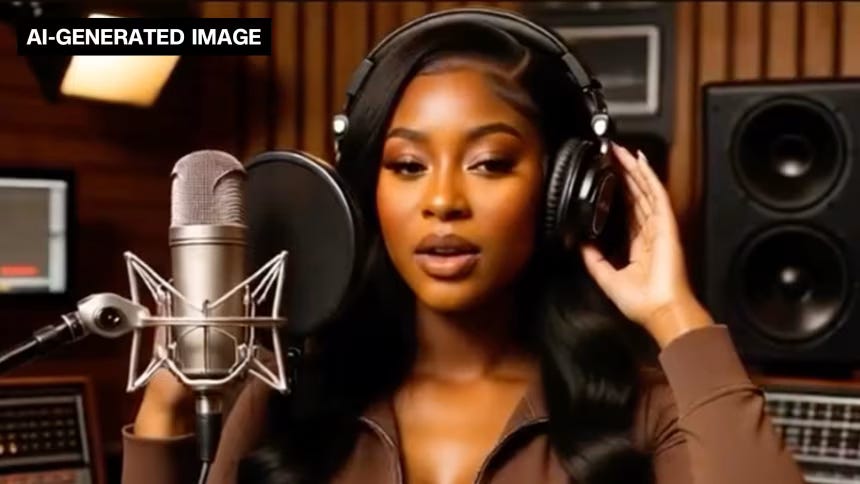
Unlike what many assume, Xania isn’t simply created by pressing a button. Behind the project is Mississippi poet Telisha “Nikki” Jones, who writes every lyric herself before using AI music platform Suno to generate vocal performances.
Jones sees AI as a creative partner, not a replacement. Speaking with CBS Mornings, she explained, “Xania is an extension of me, so I look at her as a real person.”
When challenged about whether AI gave her a shortcut into the industry, Jones disagreed. “I wouldn’t call it a shortcut, because I still put in the work… I look at it as a tool, as an instrument. Utilize it.”
To Jones, AI simply expands who gets to create music. Instead of replacing creativity, she argues, it lowers the barrier to entry for people who may have stories to tell but lack access to studios, producers, or even the ability to sing. That perspective highlights why the AI debate has become so complicated.
The technology itself isn’t inherently creative, but the humans using it still are. When the pain weighs too heavily on our chests and we want to scream it out, we can’t. We look to a robot to develop it for us. But is that fair to the singers and instrumentalists who have trained and studied since childhood to perfect their craft?
Where Does Inspiration End?
One of the biggest legal gray areas surrounding AI is training data. Human musicians learn by listening to their influences. Prince studied James Brown; Beyoncé has cited Michael Jackson; SZA has drawn inspiration from jazz, neo-soul, and alternative rock.
That’s how art evolves.
AI, however, studies music at a scale no human ever could. It can process thousands of recordings, identify recurring vocal patterns, analyze songwriting structures, and simultaneously generate music influenced by countless artists. Supporters argue that it’s no different than human inspiration.
Critics argue that it’s fundamentally different because machines don’t simply learn—they replicate patterns at extraordinary speed.
The lawsuits emerging across the music industry could ultimately determine where that legal boundary lies. Recently, iHeartRadio enforced a “Guaranteed Human” policy that bans AI-generated music, synthetic voices, and AI-powered DJs across all of its radio stations and podcasts.
What Makes R&B… R&B?
Perhaps no genre raises these questions more than R&B. Great R&B has never been defined solely by perfect vocals. It’s defined by emotion. By the rhythm and the heart. A computer cannot mimic that.
Whether it’s Brandy’s harmonies, SZA’s vulnerability, Jazmine Sullivan’s storytelling, or Frank Ocean’s introspection, listeners connect because they recognize genuine human experiences.
An AI model can imitate vocal runs. It can recreate lush harmonies. It can even generate heartbreak-themed lyrics. But can it actually understand heartbreak?
That’s where many artists believe human musicians will always have the advantage. The AI conversation is no longer hypothetical. More artists, day by day, are discovering their catalogs inside training databases.
At the same time, musicians continue to use AI responsibly for tasks such as vocal cleanup, stem separation, and production assistance. The technology itself isn’t going away. The real investigation is how the music industry chooses to regulate it.
Should artists be compensated when their work trains AI systems?
Should listeners know when a song is AI-generated?
Should record labels prioritize human performers over digital ones?
Those conversations are only beginning. For now, one thing is certain: R&B stands at a crossroads. The genre has always evolved—from doo-wop to soul, new jack swing to neo-soul, trap-soul to alternative R&B. AI may become the next chapter in that evolution.
Because while artificial intelligence can learn the mechanics of music, it still has one thing left to figure out: Can you teach a machine to feel?
Thought provoking article! To your questions — what makes r&b is the soul of the people. It's not the runs, it's the harmonies whose those runs belong to that make them real. It's the very feeling itself. At the very least, with their consent, artists should be paid for their likeness.