

Saint Harison Was Born To Sing
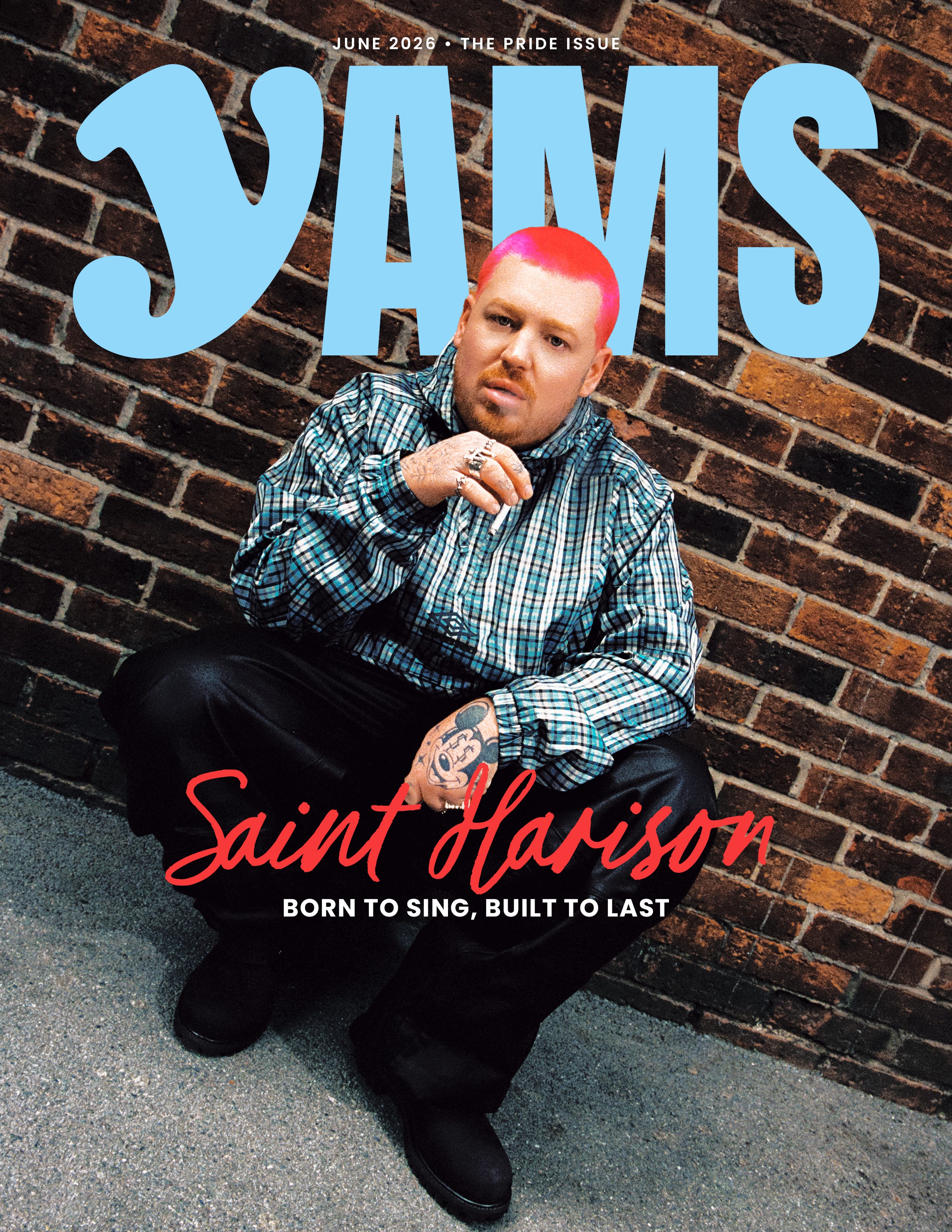
Our 2026 Pride Issue cover star Saint Harison is ready to be around for a long time.


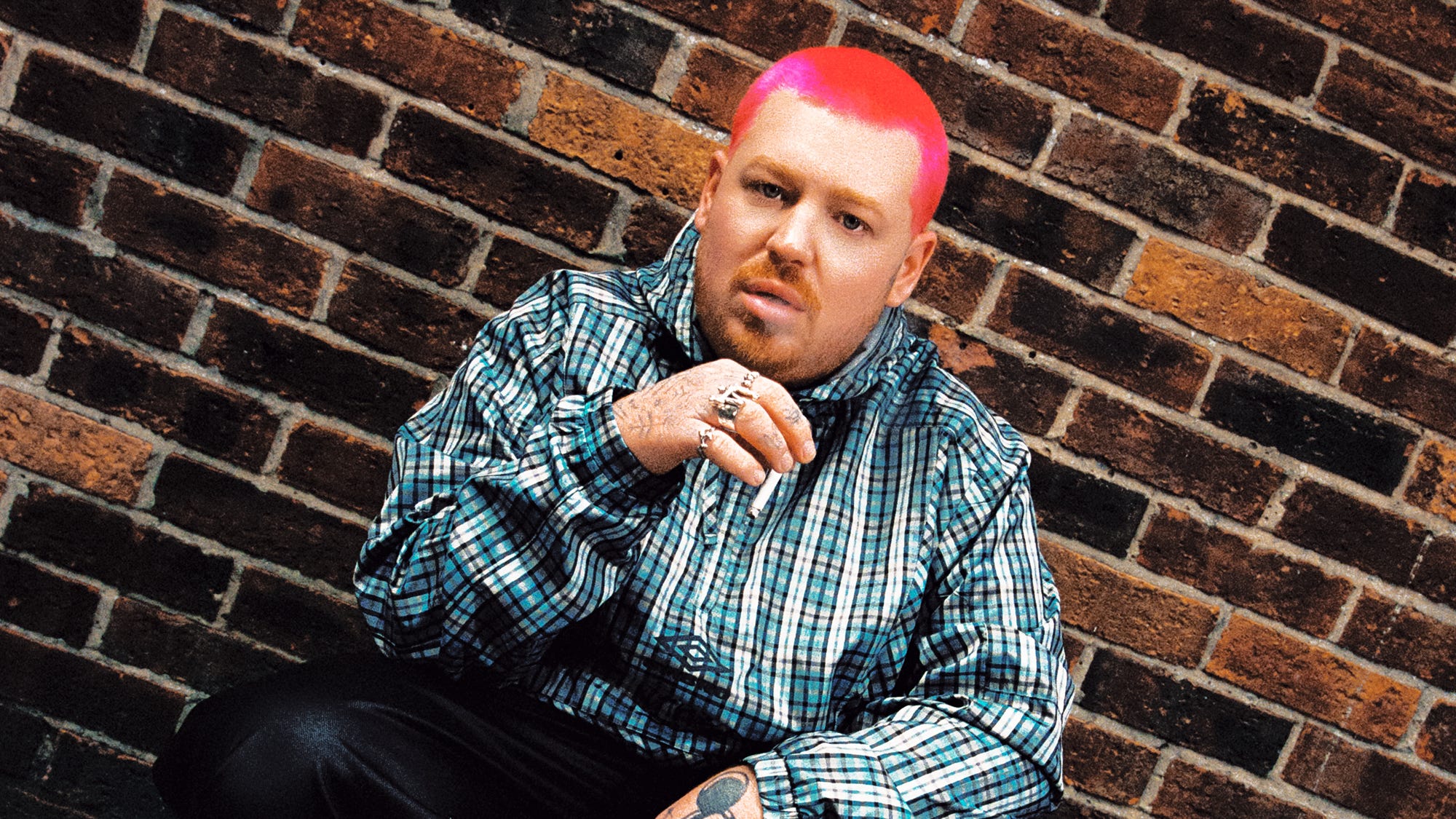
When you ask Saint Harison what makes a song good, he talks about the 20-minute ones, the ones that are easy to write because some part of him already knows what needs to be said. He talks about working alone in a room until the right feeling shows up. He talks about his grandfather, who was in a band in the 1960s called Bryan Fisher and the Radiers. He introduced Saint to music when Saint was 7 years old, and he loved Aretha Franklin, Whitney Houston, and Dean Martin — the kind of raw, storied voices that made you feel something before you understood the lyrics.
He grew up on those voices. He became one of them. And now, a couple of EPs and a few terrible boyfriends later, he’s still doing the same thing he decided to do as a kid: trying to have an impact on people’s lives the way a song once had on his.
Southampton Beginnings
Saint was 12 years old. He & his mother were sitting in the reception area of a safe house for women and children fleeing abusive homes when Adele’s “Chasing Pavements” came on.
“I just thought, Oh my God. I have to write songs. I have to have an impact on people’s lives in the way that this Adele song has had on my life.“
He says it quickly and matter-of-factly. The way people talk about things they’ve long since made peace with. But let’s sit with that for a second. Because that’s the story, really — the Saint Harison story — compressed into one waiting room moment: heartbreak, a voice cutting through, and a kid deciding that music was the only reasonable response.
Years later, that kid from Southampton (a port city on England’s south coast) is one of R&B’s most compelling new voices. His debut EP ‘Lost a Friend’ quietly crossed 170 million streams. His COLORS performance of “ego talkin’” sparked a TikTok challenge that racked up over 200 million views. SZA, Justin Bieber, H.E.R., and Elton John all stopped to take notice of him early on. He’s been named Apple Music’s global Up Next artist. Rolling Stone highlighted him on their Future of Music 2026 watchlist. Saint has been primed for this moment.
But before any of the music happened, he was a teacher.
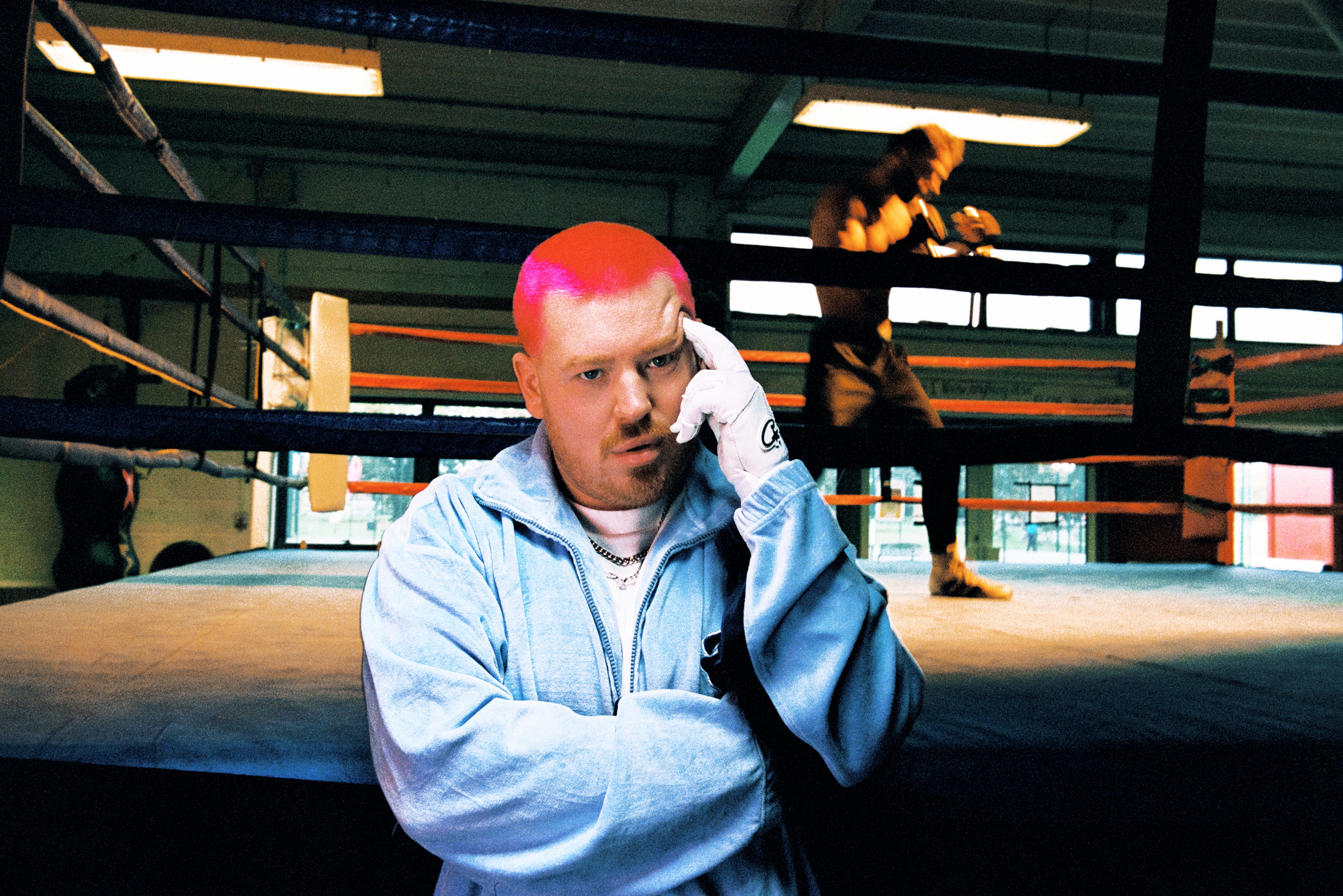
After studying musical theatre as a teen — doing gigs at Ronnie Scott’s and Troy Bar on the side, half-committed to both paths — Saint moved back to Southampton with his mom when life in London got too expensive. He was 20. He started teaching, working with young people, and building a life that made sense even if it wasn’t the one he’d imagined.
“I kind of made peace with my life as a teacher,” he says. “I didn’t really think this was gonna be my reality.”
Then the COVID-19 lockdown happened. He posted a TikTok cover of Jazmine Sullivan’s “Pick Up Your Feelings.” Jazmine herself reposted it. And then Justin Bieber found him, among others. He wasn’t ready for that viral moment (who would be?). He didn’t even have an Instagram account at the time, as teachers at his school weren’t allowed to have one.
“I had to make an Instagram,” he laughs. “And then it kind of, you know, long story short, kind of led me to here.”
He says “long story short” as if it’s simple. Like going viral a few times, meeting managers on Zoom, flying to LA to write your debut project, and becoming one of the most talked-about voices in contemporary R&B is just a thing that happens. But that’s part of what makes Saint Harison so compelling to me — there’s an absence of performance around his own story. He’s not hyperbolizing. He’s just telling me what happened with a humbleness that we all love to see in our favorite singers.
Ego Talkin
The moment things truly started to break through for Saint was with the song “ego talkin’”, which wasn’t even supposed to be a single.
He wrote it on Zoom — still in the UK, still locked down — with producers Deputy and Boy Matthews. He liked it, but he was deep in making his debut EP and wasn’t treating it like anything special. Then COLORS called and asked him to perform on their platform. He chose to perform “ego talkin” because it was the most vocally demanding thing he had, and he wanted to show off his vocals. But the night before the performance dropped, he nearly killed off the whole thing himself.
“I got the video back, and I hated it. I thought I sounded so bad, and I was texting my managers — ‘I just can’t, I can’t do it.’ And they were like, ‘Well it’s already done.’”
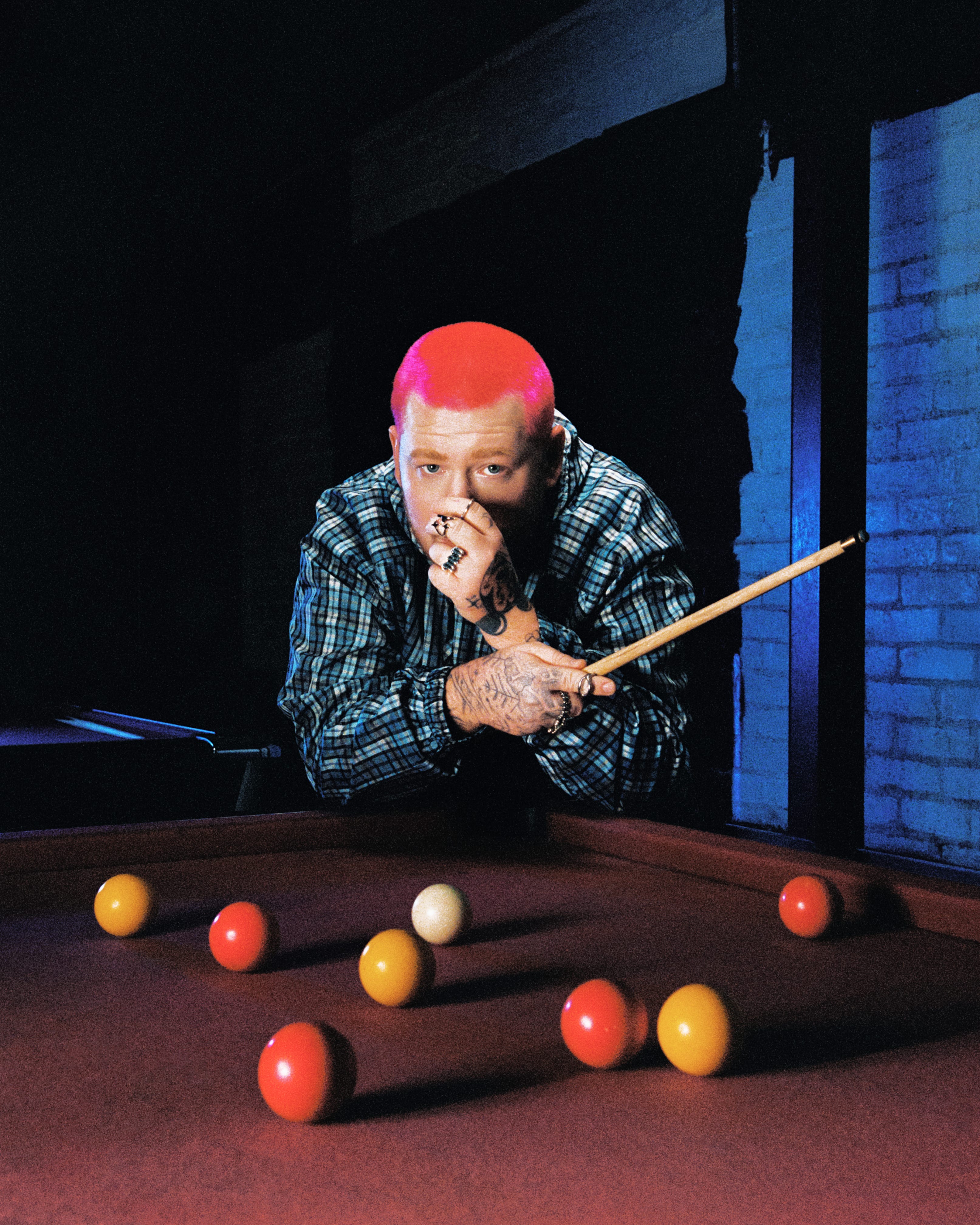
He watches it now, three years later, and can’t figure out what he was so worried about. That’s the thing about Saint Harison and his voice — he treats it like something he’s still figuring out, while the rest of us have already decided it’s extraordinary. The riffs on “ego talkin’” aren’t just decoration; they carry weight. Every run is a feeling that couldn’t fit inside a regular lyric.
A few friends did a riff challenge to the song. Then Tori Kelly did it. Then it became a phenomenon. “It’s so random,” he says. “Ego talkin’ wasn’t even a single. I think that can give you an insight into how random it felt at the time.”
Random, yes. But also: earned. There’s something about Saint’s voice that stops people. It’s the combination of technical precision and the emotional rawness sitting right next to each other, neither one canceling out the other. When Jazmine Sullivan reposted his cover, it wasn’t by mistake. When Elton John called him one of his favorite new artists, it wasn’t hype. It was meant to be, and meant to happen for him.
Enter: Ghosted
Ghosted — the new EP that just dropped — is named after its opening track, which Saint wrote almost immediately after the ‘Lost a Friend’ EP came out. He knew sonically where he wanted to go: raw lyrics over ‘50s and ‘60s-inflected R&B sound. Less polished, less pop-leaning, more alternative. A little less structure. A little more honest.
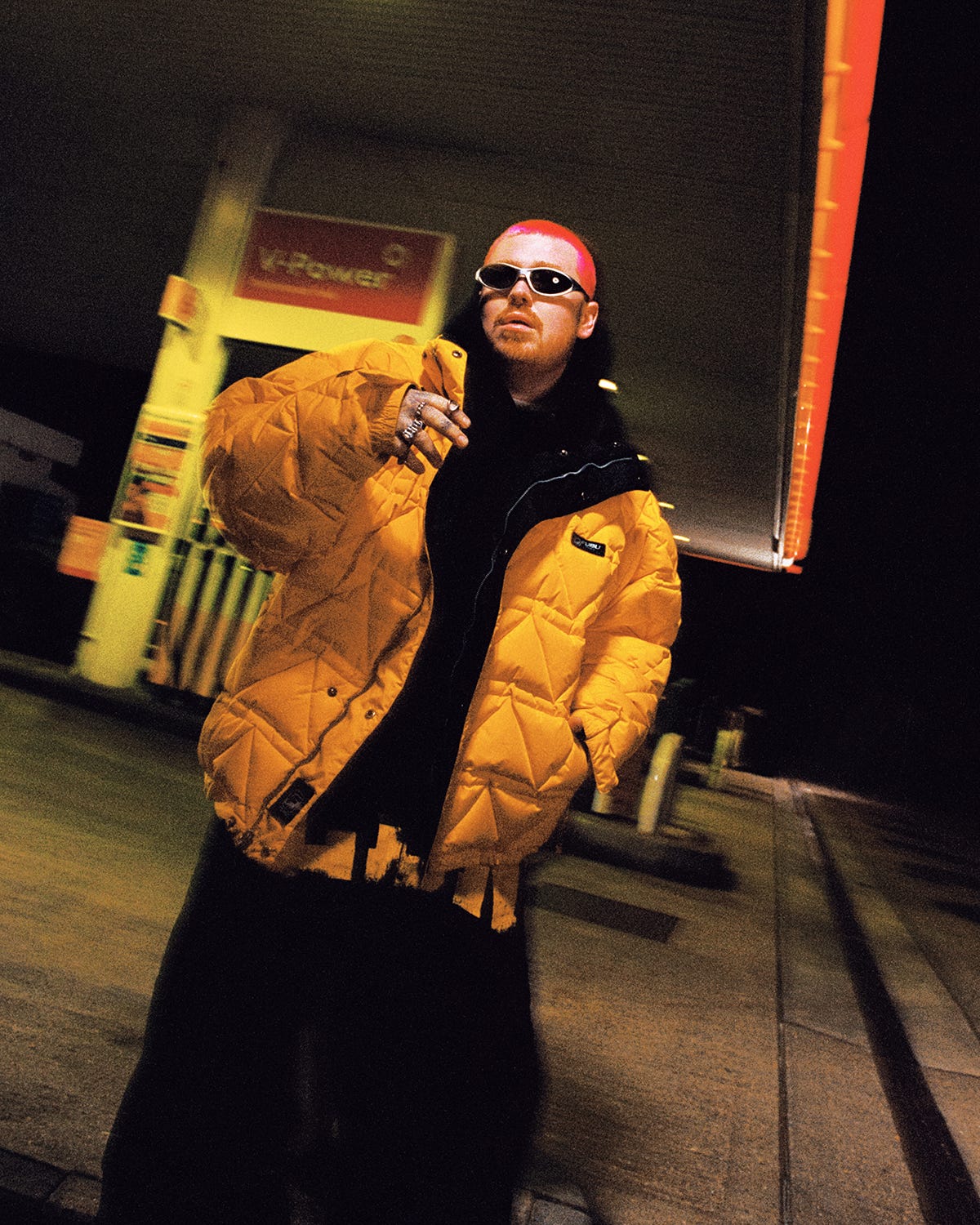
“The songs I spend eight hours on are shit,” he says, with the certainty of someone who’s learned this the hard way. “The ones I spend 20 minutes on are the ones that wind up on the project.”
He wasn’t trying to write Ghosted the EP. He was trying to write an album. But over three years of what he describes, with a perfectly dry laugh, as having “apparently found the worst men on earth,” the project assembled itself. Eight songs that told a story. A complete chapter he didn’t plan to write, but couldn’t stop living.
The song “Panic Room” (his favorite on the project) is actually two one-minute pieces, born from a period when even writing a full song felt like too much pressure. He’d just write fragments. Release valves. “I was writing one-minute things,” he says. “I felt so pressured by the idea of trying to write a full song right then.” The fact that two of those fragments made it onto the project intact says something about what Ghosted is doing. It’s letting the shape of feelings determine the shape of the music, not the other way around.
He wrote more of this project alone and in small rooms than anything before it. No rooms with 30 people — just him, or maybe one other person, pouring it out.
“If I step into a room where there are more than five people, I want to cry. I feel more connected to it that way,” he says. “It feels more like a real child,” he says, referring to his music. And based on the results – his single “bad” just hit #1 on R&B Radio in the US – his approach works.
Queer Identity Within R&B
It’s the Pride Issue, so we talk about it. I ask, “Being a queer artist in R&B – how have you been able to navigate the industry as your most authentic self?”
“I haven’t faced any struggles with it, I would say. I definitely want to be as honest as I can in my music — not shy away from gender, pronouns, all of that — because that’s just my story.”
Saint points to what’s happening around him. Victoria Monét being openly herself. Kehlani. Destin Conrad. There’s been a general shift in R&B over the past few years towards being more honest about who’s actually in the room, who’s actually writing these songs about love and heartbreak. He feels genuinely proud to be part of that.
“In R&B especially, we’re seeing so many more artists just be themselves. And I feel very proud to be a queer artist in R&B. It’s something that — as you said — 10, 20 years ago we wouldn’t be talking about. So it feels very special.”
When I mention that, looking at the R&B landscape right now — Saint, Sasha Keable, Kehlani, Destin Conrad, Kwn, Durand Bernarr, etc. — the queer artists are genuinely making some of the best R&B on the planet, he says something that makes us both laugh. “It’s because gay relationships are terrible. We’re horrible people.”
He means it affectionately, the way you can only mean something like that when you’ve lived it and written about it and somehow turned the wreckage into something people across the world can relate to and laugh about later.
What’s In The UK Water?
The UK R&B thing is real. Saint knows it. He’s careful, though, not to make it sound like a new discovery. Because it isn’t.
“The UK has always had fucking incredible people. Jaz Karis, Mahalia. Even before that, there were so many people. The UK’s always had incredible R&B acts.”
What’s different now, he thinks, is recognition. And also a specific absence of it back home. “The UK has some catching up to do with recognizing R&B in general — and awarding it. I think that’s why so many UK artists move out here [to the U.S.], because people out here get it.”
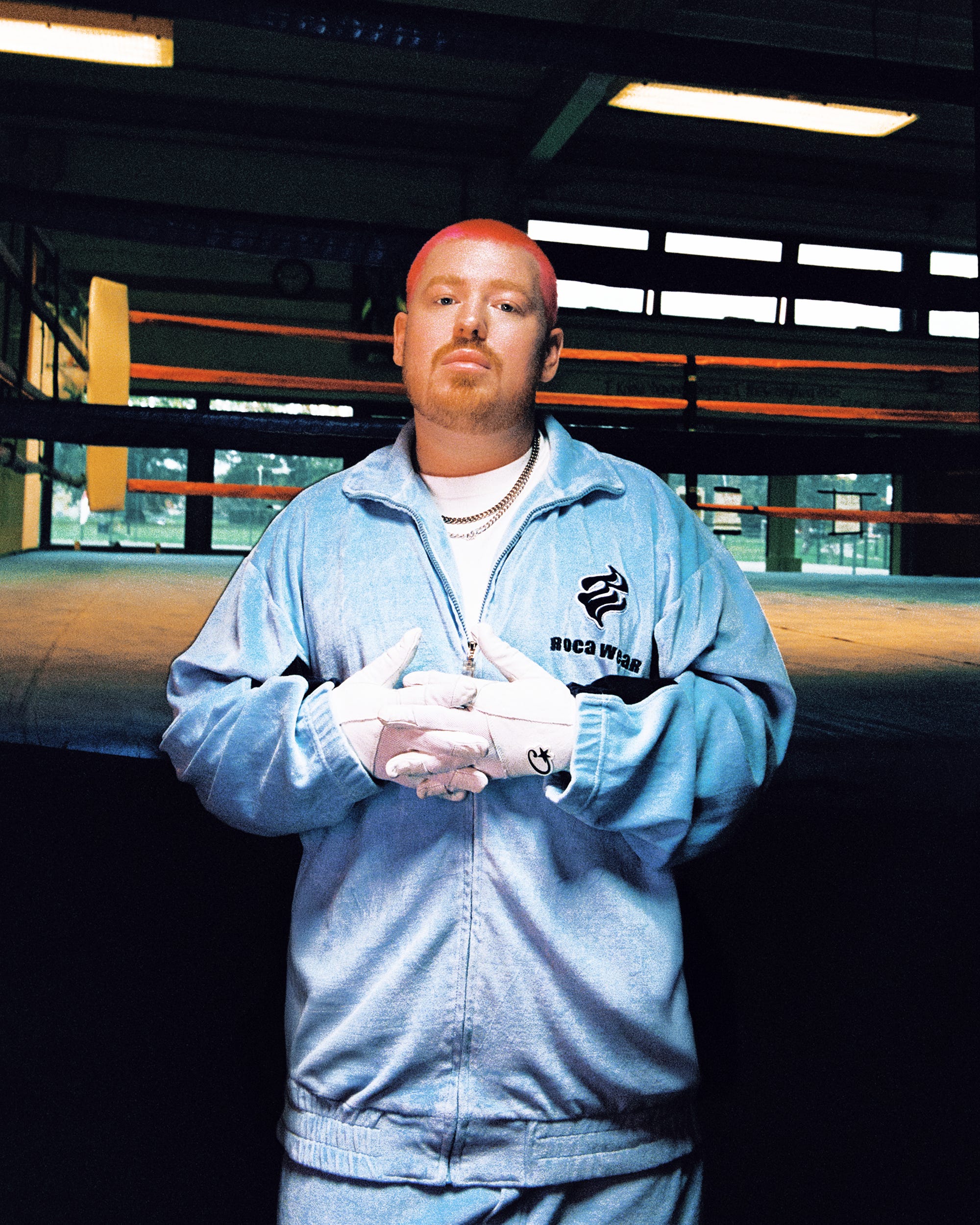
He singles out Sasha Keable approximately 5 times throughout the interview, each time catching himself and moving on, before eventually admitting he’d love to work with her and is a huge fan. Also on Saint’s collaborator wishlist is Lola Young — a close friend — and RAYE, who we both agree is insanely talented.
What’s next for Saint? A fall US tour is incoming. On his vision board is a Grammy or two. He’s also thinking about acting — specifically the dark, twisted, Ryan Murphy/Donald Glover lane. ”Obviously, you probably guessed from Ghosted that I love a dark, twisted sort of show.” He notes, with a kind of gleeful self-awareness, that British actors are always the villains in American productions. He seems genuinely fine with this. I, too, am here for it.
What I hear from Saint Harison – both in his music, how he talks about the greats, and in his future aspirations – is somebody who is prepared to be around for a good time and a long time. He’s only just scratching the surface. And that makes me super excited.
Credits:
Photographer: Quieto Carlos
Executive Producer: Dante Nicholas
Writer: Dante Nicholas
Voice of an angel!!!!!
The title alone had me saying "yessssss"! Definitely born to sing! Such a great read!