

PJ Morton May Be Closing A Chapter, But Is Still Writing The Book
When it comes to music, 'Saturday Night/Sunday Morning' might be the end of an era for the six-time Grammy winner.


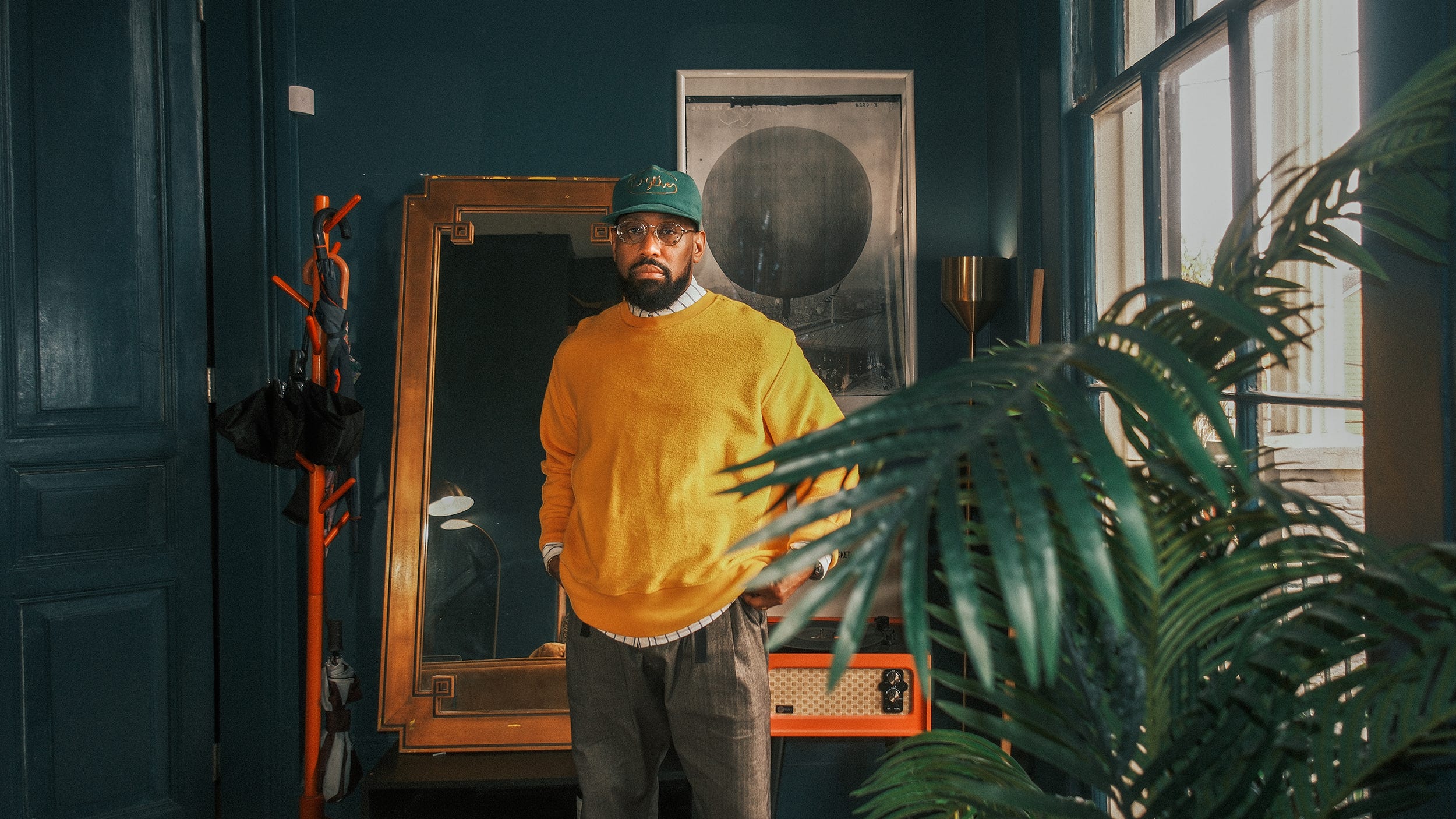
PJ Morton’s “last album” has been a few albums in the making. He fully planned on retiring as a musical artist after he released his magnum opus, Watch The Sun, in 2022. He said the same thing in 2017. “Gumbo was gonna be my last album. I moved back to New Orleans to start a sneaker store, and I thought that I’ll do music, but I just didn’t want it to be the way I survive necessarily or do it competitively,” he recalled before noting that as the reason he “swung for the fences” on Watch The Sun.
Then, he got the dream of a lifetime to travel to Africa, which led to the creation of 2024’s Cape Town to Cairo. Yet, there were still parts of his story left untold, of which may be considered his grand finale. He’s just not quite sure.
With his latest LP (and debut double album), Saturday Night/Sunday Morning, he’s making room for new dreams to come to fruition, adding, “If I don’t say anything else, I have said all I need to say.”
In this exclusive conversation, the crooner breaks down his layered beginning, the swift process behind the album, the dichotomy of being both sacred and secular, and why he feels Saturday Night/Sunday Morning could be a storybook culmination.
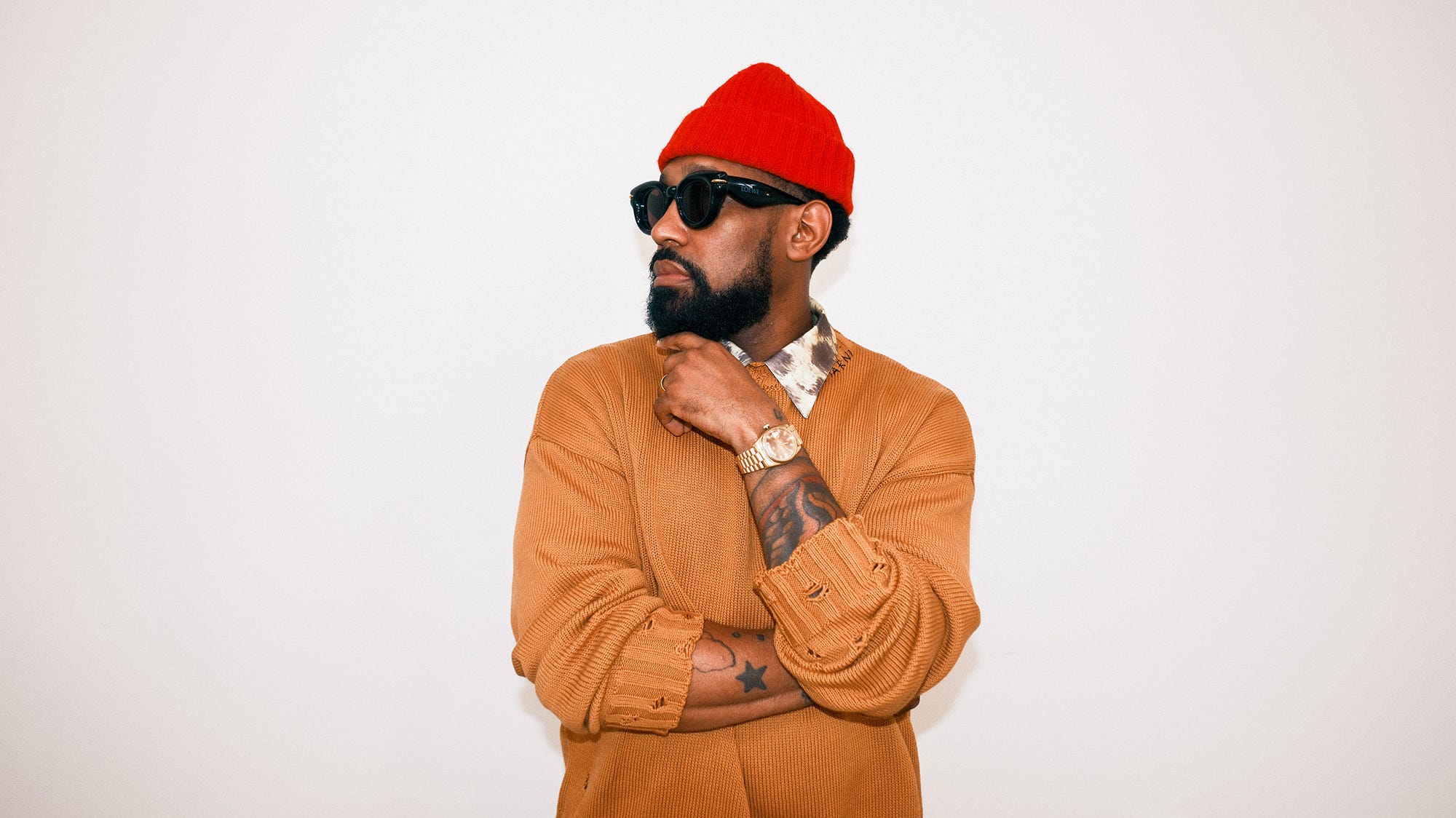
When did you fall in love with R&B?
It was very early still. I mean, the irony is that my dad’s favorite singer was Anita Baker. It was Stevie [Wonder] in the house. Prince, Whitney, of course Michael [Jackson]. I’m an '80s baby, and so I fell in love with it very early. There’s a video of me when I was two years old dancing to Motown 25. That was before I was thinking about music in a real way. I think about 12 or 13, a friend of mine gave me a cassette tape. One contained Donny Hathaway live on it, and one contained Stevie Wonder’s “Never Dreamed You’d Leave in Summer.” I hadn’t heard that Stevie before. I knew nothing about '60s or '70s Stevie, and that kinda changed my world. That’s when I started to look at it like, “Wait, this changed my chemistry.”
At which point did you start pursuing music professionally?
I guess about 14 or 15 is when I started to write songs for real. I knew secretly that I wanted to write about everything. It was more just the pressure of my atmosphere and my environment [to write gospel music]. What I’d try to do is write it as contemporary as possible, you know? That was, like, my first shortcut. My first placement as a songwriter was on Men of Standard, but I was secretly writing R&B songs. By the time I got to Morehouse, I met India.Arie and was able to place my first song outside of gospel music on that Voyage to India album. That’s really what broke me into it altogether.
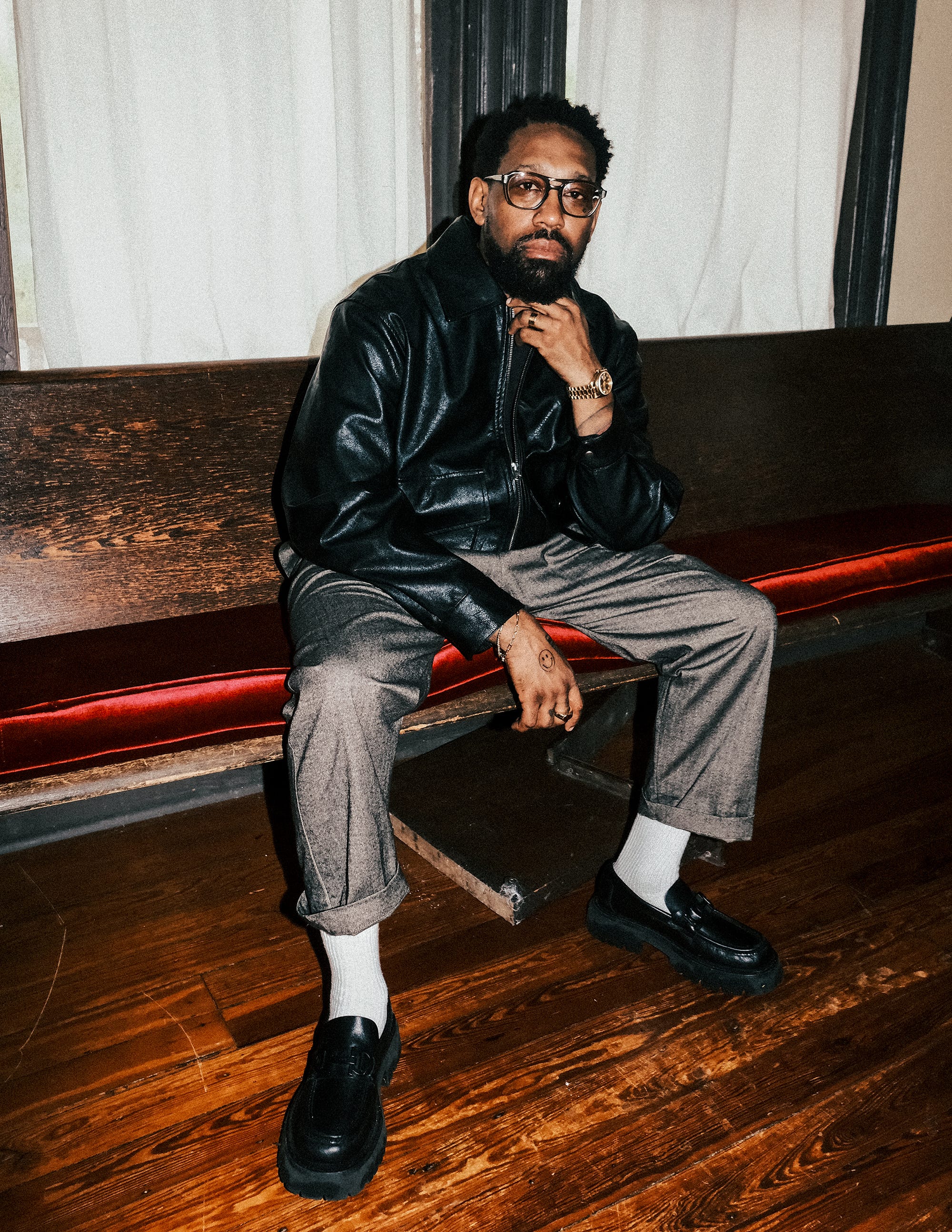
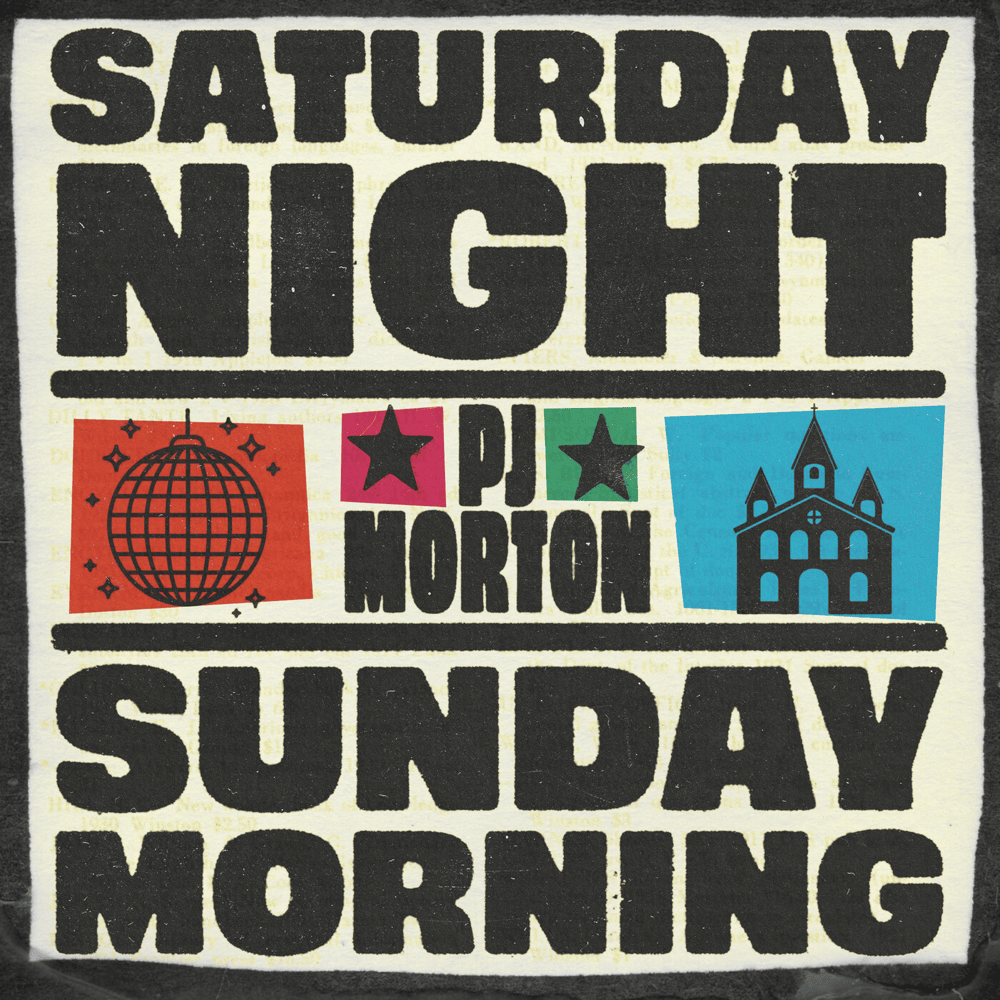
Saturday Night/Sunday Morning is both the name of your album and your memoir. Which one came first?
To be totally honest, just the title itself came first. I was a marketing major at Morehouse, so I’m always thinking of presentation. Initially, it came as a potential title for a documentary that I was gonna work on, and I just knew that the name really worked. It’s like when I said Saturday Night, Sunday Morning to people, they immediately got it without me explaining anything else. And I [know] those are hard to come by. I had the name and the documentary didn’t happen, but then I was approached about doing a memoir and I said, “Well, let me just use it for that.” I wasn’t thinking of an album. I had just finished Cape Town to Cairo. My whole point was I’ve done a lot of music and it wasn’t as inspiring for me to go do another R&B album. It’s like, you know, all the marketing tricks have been used. Everybody’s heard everything I’ve had to say and I needed something that was gonna challenge me, excite me. When I thought about Saturday Night, Sunday Morning,the album version [was] where I finally do a gospel album [and] I’m actually singing the songs as opposed to just writing and producing them [but] still doing my R&B thing. And that really did become exciting and like a challenge. Before I had one song, it’s like, “Okay, what does this look like?”
How long did it take you to make the album itself?
Man, we locked in. The majority of it was done January of this year. I went faster than I thought. That’s why I [wanted] a Juneteenth release date. That wasn’t gonna happen at first. I’m like, “Well, if I’m moving this fast, let’s try to drop it on Juneteenth. It just makes sense. It’s the Black experience.” It really just started to flow so fast. Once I got inspired, I was on the move. I was done by the end of February and [handed] it in the first week of March.
Was this the fastest album you’ve ever made?
Well, aside from Cape Town to Cairo [which was made in 30 days]. It’s so crazy you bring that up though, because I think that is what released me. I used to overthink a lot. Then, I went to four countries for 30 days and said that I was gonna do this experiment and write and record a completely brand new album in 30 days. I didn’t have any time to overthink. It made me trust whatever was coming naturally, you know? So for this, I was just in that and I’ve never done a double album in my life. So yeah, per capita, this is the fastest album I’ve ever made.
Is New Orleans also part of the reason why you wanted to push for the Juneteenth release date?
Not necessarily New Orleans but, I think Black. The raw Black experience. When I started to think of this album, it was like, “Oh man, this is the complete Black experience.” Folks used Saturday [night] to party, decompress, but we were going to church Sunday to recharge and get ready for this week that we’re about to go into. I’m like, “June is Black Music Month. Juneteenth is right there. Let’s celebrate.”
Which side came easier to you?
My plan was to do gospel one day and R&B the next. [But] every time I tried to write an R&B song, it turned into a gospel song. Again, it was about not forcing. So my brain, and maybe it’s part of my OCD, was like I can’t do both at once. Part of it too [was that] I hadn’t really done a lot of gospel albums, especially as me. I think, for me, it was the newer, fresher thing. It’s stuff I just hadn’t touched on as PJ. I’ve done plenty R&B albums and it was more daunting because it’s like, “What are you gonna say that you haven’t said before? What sonically are you gonna do that you hadn’t done before that pushes you forward?” ‘Cause I always need to be moving forward in some kinda way. What ended up happening is I finished Sunday Morning first and then it freed me to go and do Saturday Night.
I did not expect you to just go that route.
Me either.
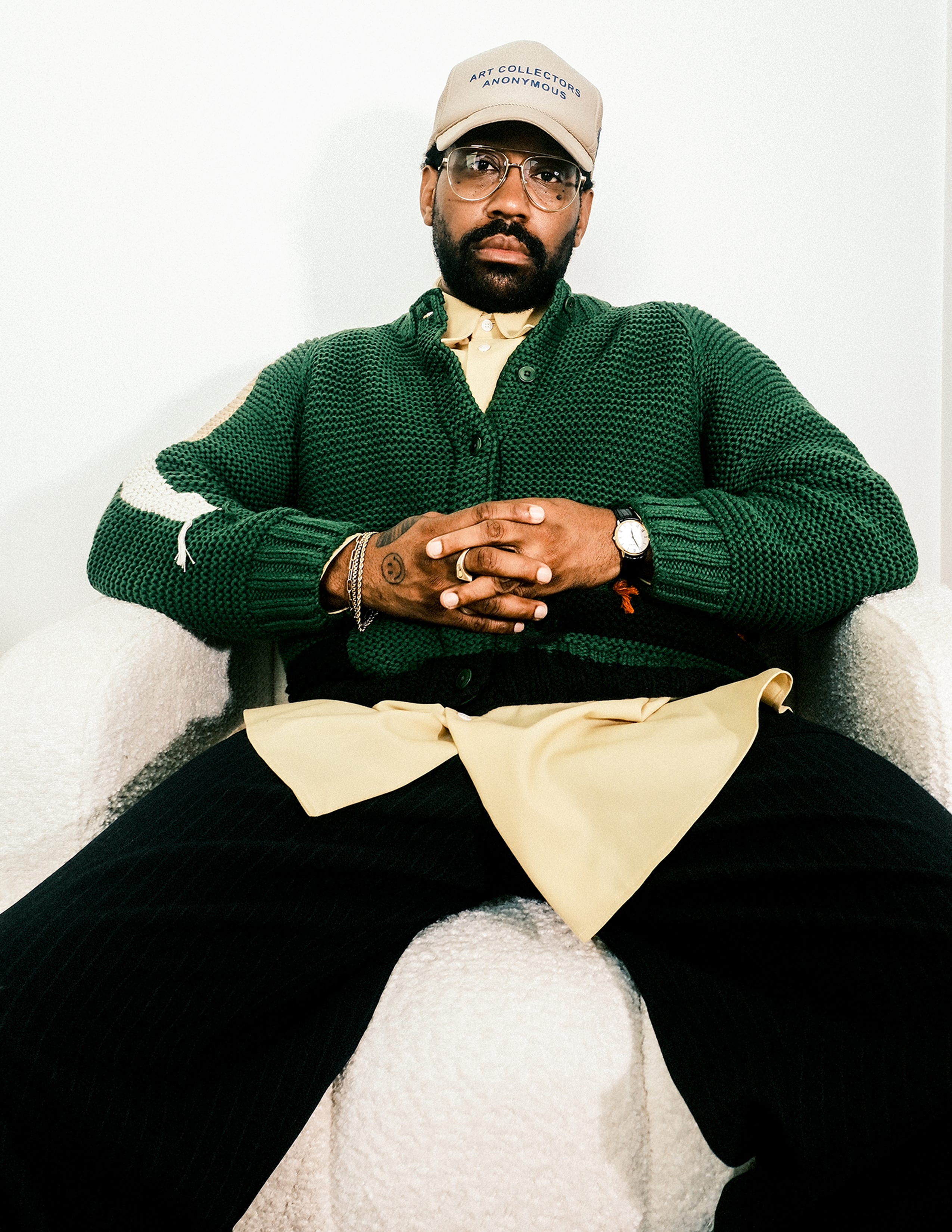
Even with Saturday Night being the R&B side, it still doesn’t fully cater to what contemporary R&B has transformed into.
It’s probably why I lean towards soul music. What Donny Hathaway was. What Stevie is, you know? It’s like that intersection where there’s some spirituality in R&B. What’s going on is probably what inspired my album Gumbo when I said, “This is the first time I wanna try to talk about things other than just love and relationships.” [On] “Sell My Soul,” it’s talking about life in a way. “Protect My Heart” is a song I’d never heard before. So I was drawn to a lot of those things that I hadn’t talked about before. But then of course, I think it’s important to have those love songs where it’s like setting the atmosphere. We’re enjoying each other; we’re enjoying life. It was bigger than just relationships.
Is the documentary still coming?
We’re working on it. It’s turned into so many things. It’s now starting to find some focus.
For you, what has been the greatest challenge and reward in balancing the duality of being both sacred and secular?
The sacrifice on the front end. It was that a lot of times I got looked over. I ain’t never been nominated for an R&B category at the BET Awards. I’ve done all of this stuff in soul music. I have six Grammys, but because I didn’t line up with a Chris [Brown] and wasn’t that edgy, I think some people put me on the other side. But then the other side were like, “He ain’t all the way us either.” I was just stuck in the middle and that was a challenge, but I started to embrace it. Now, I’m so happy it went the way it went because I stuck to who I was, and now I’ve been able to create something that is all mine. Initially, that was disheartening. It’s like, dang, y’all don’t see me as this; I don’t belong over here. I think those sacrifices are necessary [though] when you’re trying to do something that just isn’t the norm.
The reward is the fan base and the creative freedom?
For sure. I had given up on the fact that I would be able to get a Grammy or anything like that. Once I said, “Okay, this is gonna be what it’s gonna be.” I slipped into that mainstream somehow and got into that conversation. So it was almost like the cherry on top.
Would you still say this is your last album?
Oh, you tryna break news here.
You been saying that it is your last album for the past several albums.
If I’m being totally transparent, I don’t know. To me, this was kind of like a magnum opus vibe— where it’s like here is everything. If I don’t say anything else, I have said all I need to say. I watched that Billy Joel doc, and at some point he said, “I’m done writing lyrics. I’ve said everything.” For me, it’s like making room for new artists, new things. It’s like you don’t have to say something new to be relevant. Frankie Beverly and Maze is like my North Star. The way he toured for 30 years without a new album and my audience feels very similar in the fact that it’s community. It’s like family reunion every year. So, I won’t say that this is my last album, but I will say that I don’t know what’s next. I’ll always make music; I’ll always perform. I [just] don’t know that it’ll be in the traditional [sense].
I love the transparency of that answer. Has your dad reacted to the double album?
Yes. We ate at my parents’ house on Mother’s Day and I got to play them the whole album. My dad is my number one fan though. He’s over the moon. He was the one that said, “Look, you’re different from me. You gotta do it the way you do it.” On Father’s Day, for the first time, he preached and I was able to sing in Baltimore. We did a service together. That was really special on Father’s Day.
It’s like that was the culmination of who you are as an artist and a person.
It’s really special. And like, you know what I’m saying? That’s a nice end of a chapter. That’s why I don’t know. It’s like I don’t wanna mess it up. I certainly am not gonna block it. I love music. I’m a creative. I can’t not create, but I have a dream to own a hotel. I eventually plan to do a festival in Bogalusa, Louisiana. I’m still independent, and it takes so much to put into these things, especially today, to get people to pay attention, and we’re cutting through the noise. I would love to put that energy into other things. I don’t wanna be limited to music. I love music, but let’s not just box ourselves in.
Not for nothing, we’re all a little bit of Saturday Night and Sunday Morning. We all have that duality in us.
Facts! That’s the whole point. I wrote this book called Why Can’t I Sing About Love? In the foreword, my dad was like, “Look, when I was courting your mother, I wasn’t listening to ‘Amazing Grace.’” Like, let’s be honest. The dichotomy of who we really are is a little bit of both, and art should reflect life.
 | A guest post by
|