

Phabo: Ratchet in the Bluest Hue
The R&B singer-songwriter talks his new album 'Ratchet & Blues' and his approach to music.


Silk-laid durags and gleaming gold grills glow beneath a blue club light as a photographer snaps photos of the best-dressed people in the venue tonight. This description is of the night out that someone born in the early 2000s dreamed they would bear witness. For listeners of Phabo’s newest album, Ratchet and Blues, it’s the soundscape that encapsulates an almost 10-year musical catalog leading to this creative point.
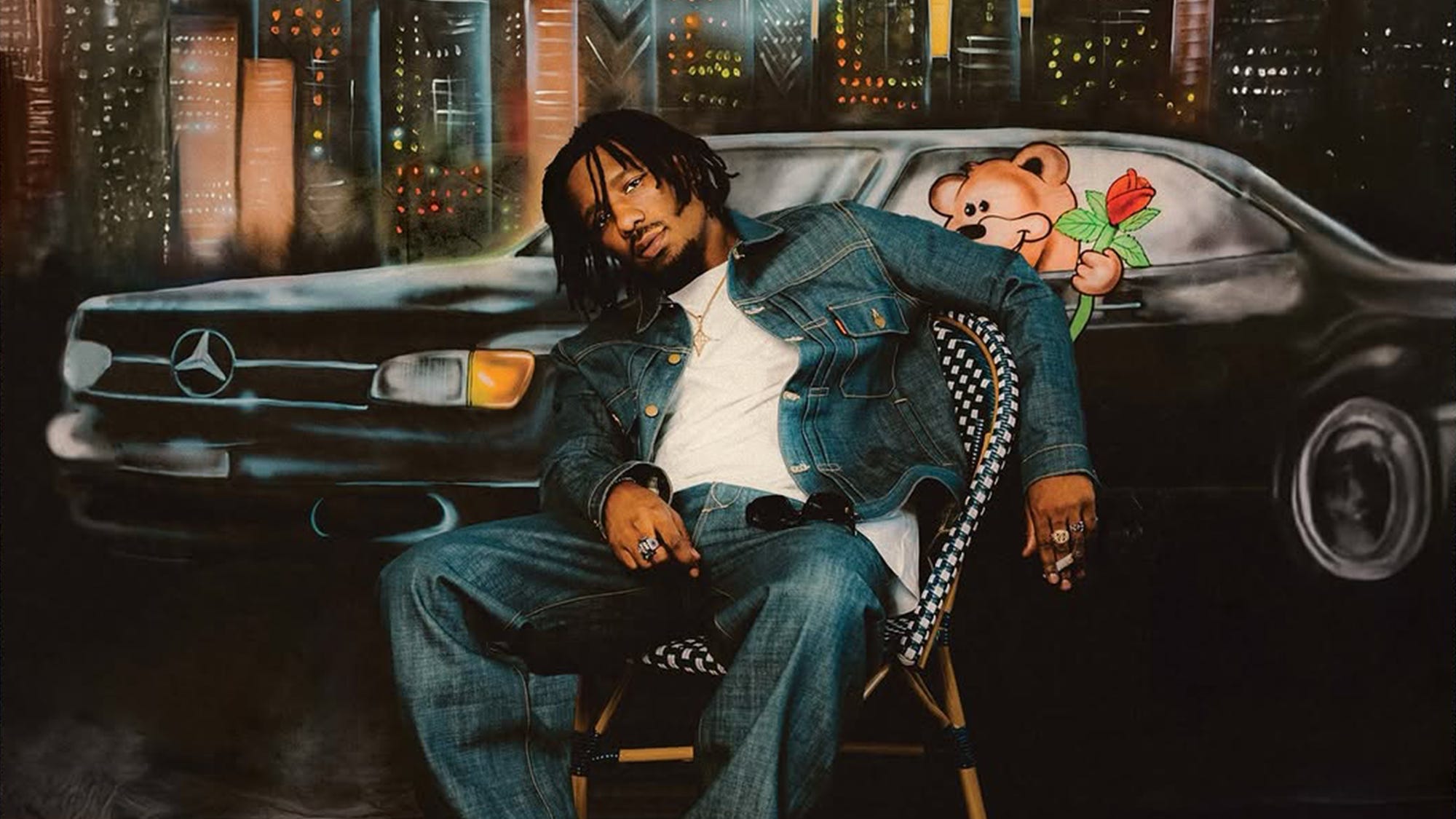
From the album’s imagery of Phabo in front of an airbrushed backdrop to its sound of quiet storm-esque slows and So So Def-styled uptempos, Ratchet & Blues reflects this current R&B era in a modern and layered listening experience.
The album’s name references Phabo’s “Ratchet and Blues” EP series, which dates back to 2017, when his ear for nostalgic R&B and the genre’s core tenets first became apparent. He creates a smooth blend of rap-sung R&B that allows for his own lane to be paved within the genre.
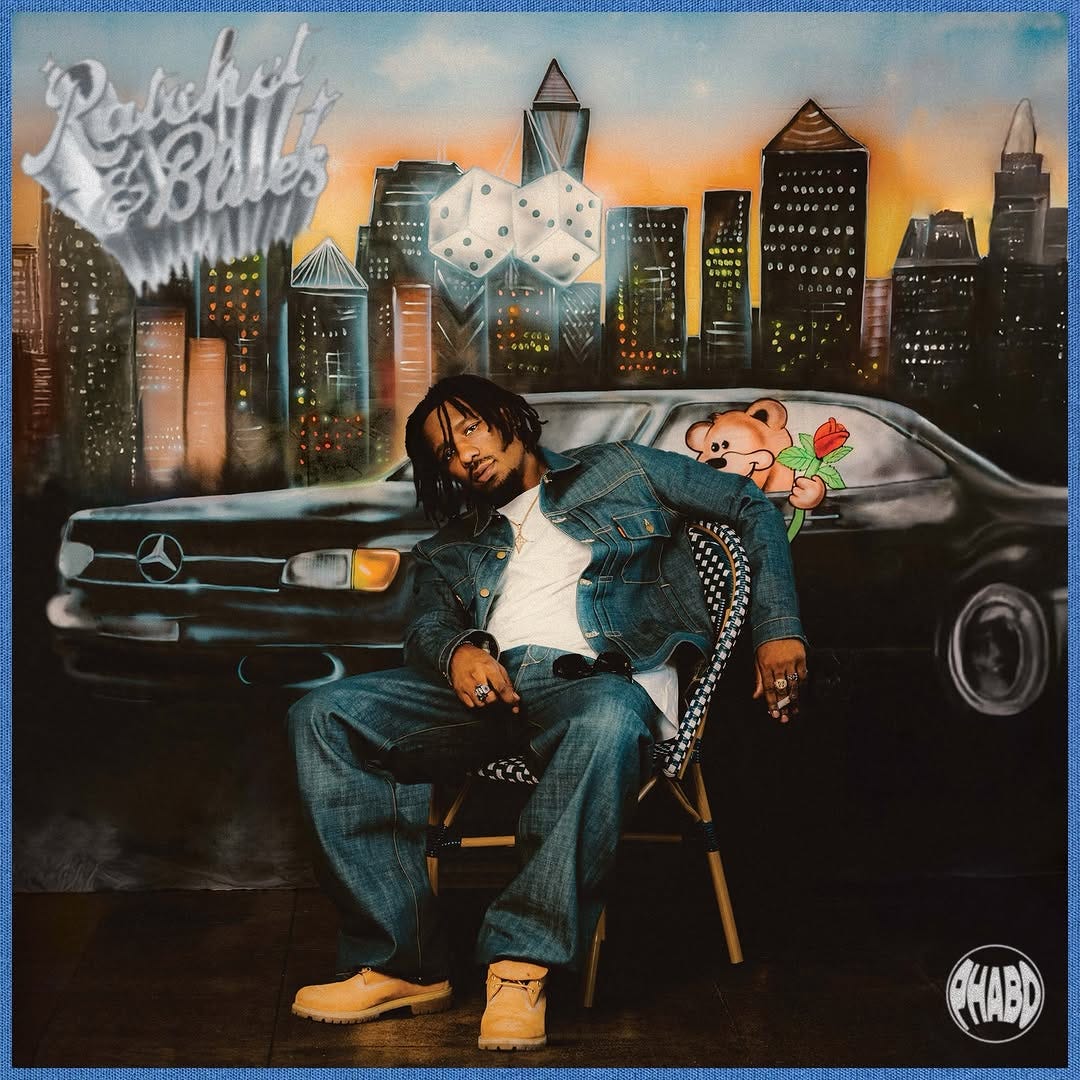
Speaking with Phabo about the project, the significance of the title extends beyond his own musical journey to the journey his fans have taken with him.
“I wanted to give my fans who remember me from back then something to be proud of, ultimately, like a finish line of some sort.”
The album’s racing start with “Luv On Da Floor” sets the scene for this blend of modern and throwback. Listening to it and the following few songs had me thinking of the best of Darckchild and Jermaine Dupri-produced hits, blended with the essence of Donnell Jones, Next, and Brandy album cuts.
My current favorite, Phabo’s current favorite, and fans’ favorite track off the project – “Before We Get In Here” – is one of the highlights of the project. Feeling reminiscent of R&B songs my parents played and danced to when I was growing up, and of songs people sing along to at 90s/2000s club nights, it matches the album’s nostalgic tone while pushing Phabo’s sound further.
“I wanted to get as close to the cloth as possible. I was intentional about diving into a bunch of different projects. I didn’t want to do the typical remix or trapped-out version of an R&B song. I wanted to get as close to what we were sampling as possible.”
His commitment to that closeness extended to the album’s rollout and artwork, playing into the early 2000s aesthetics that not only spoke to what I saw growing up, but also to what Phabo saw in his upbringing in California and Florida.
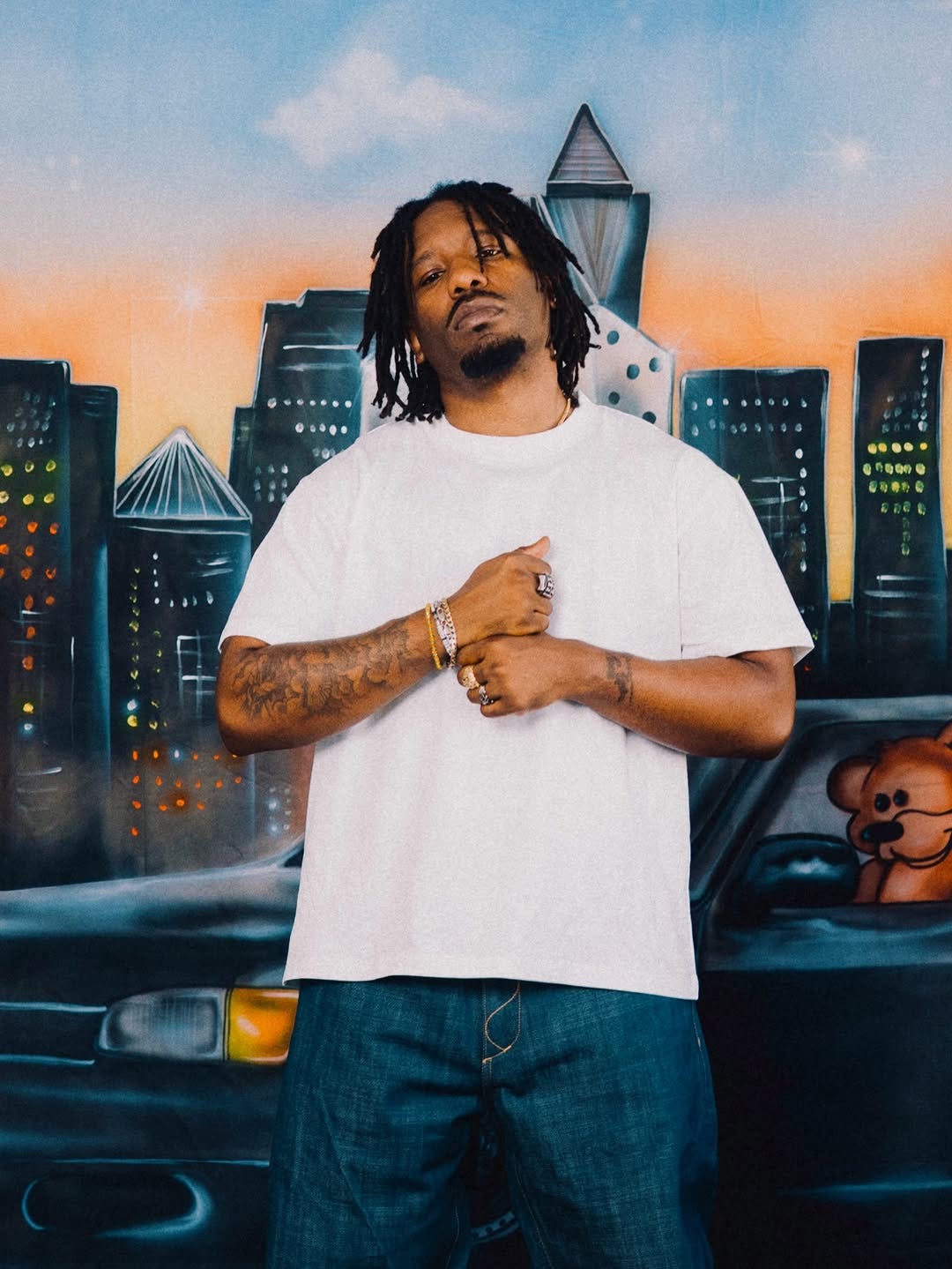
“I remember being 12 or 13 on MySpace, and you might follow a girl who’s 17 getting into the grown club, and she posts pictures from inside. I’m not the first to tap into this aesthetic, but with the intricacies of black culture, there are niche crevices of our community that deserve to be discussed and shown.”
This visualization is even more evident with his content for this album era, featuring women in club photos with airbrushed backdrops, the kind that stood out as a staple of Black nightlife in the early 2000s.
His intentionality in references while crafting new sounds shows through songs like “Safest Place”, “Lights Go Low”, and “Anything 4 U.”
“I still made sure to maintain the essence of what this is all about, not changing up my sound. You might get four bars of smooth here, then four bars of a character voice, which allows me to keep my sound unique while tapping into these nostalgic moments.”
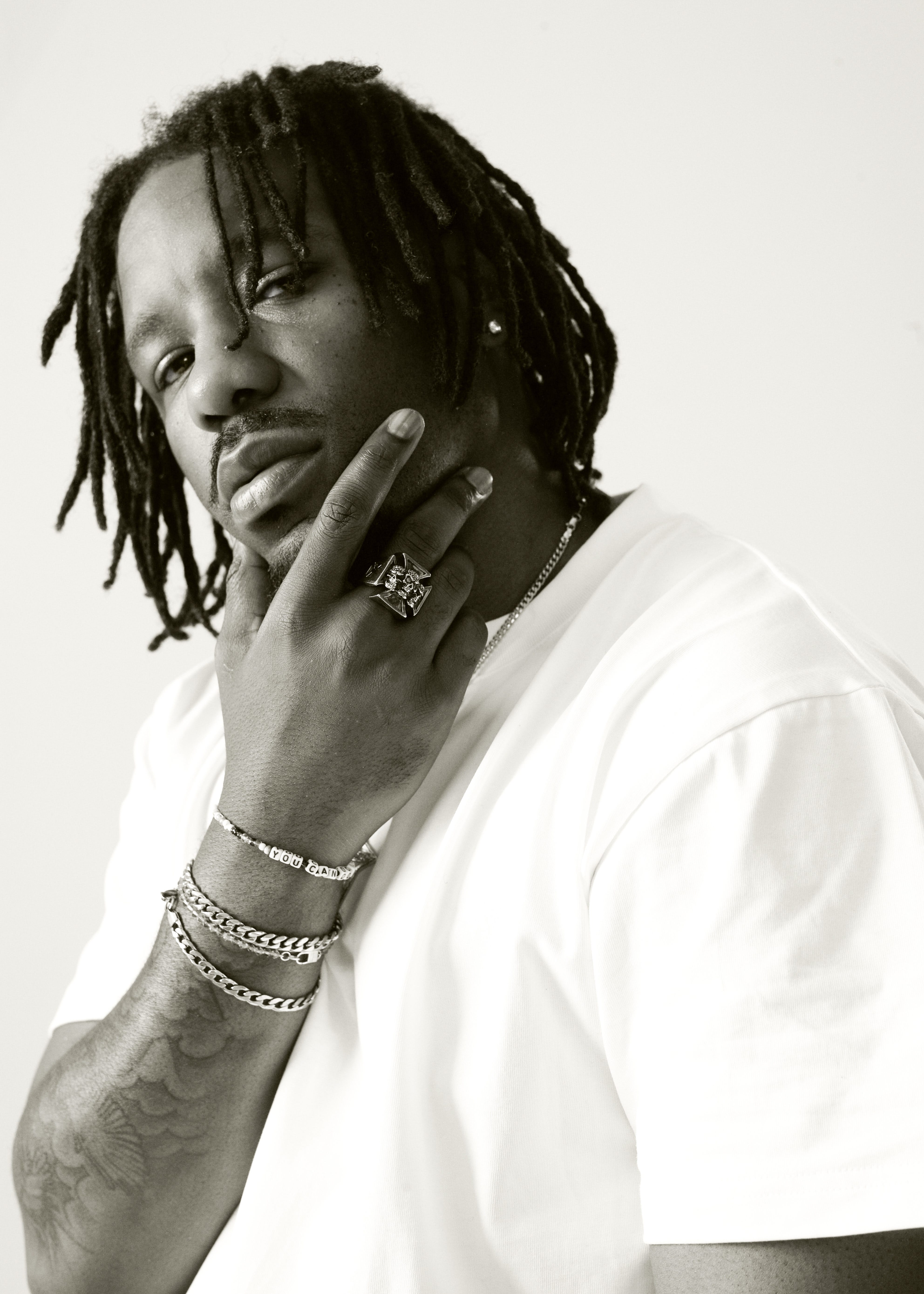
With Ratchet & Blues being his first full album in three years, Phabo wanted to keep the project and his process very close to the chest. He opted for a more private approach compared to his 2023 and 2021 projects, Don’t Get Too Crazy and Soulquarius, respectively.
“I wanted to do this without any outside noise. I used to seek a lot of reassurance early on; this time, I just kept it between the producers and me for as long as I could.”
This creative process, which echoes similar sentiments in the song “Calm and Collected,” allows this project to live as Phabo in his element. Truly calm, collected, and contributing to the great R&B landscape that’s being built in the 2020s.
As someone who’s been listening since Soulquarius, this new album dips further into Phabo’s bag of R&B smoothness and blends elements of his past work into a more evolved and developed form.
For new listeners and long-time fans, Phabo hopes his work stirs appreciation for his artistry and sticks with them.
“I hope they feel they can grow with the project. I know the world is in a crazy place right now, and I remember certain projects and time periods and what they meant to me. I want everyone to have that moment with this project.”
 | A guest post by
|
Nice job, Cordell!!
I've really been enjoying this album recently. Thank you for this resource in continuing to explore the project!