

My Artsy Friend, Erykah Badu
How one artist quietly became Neo soul's greatest teacher.

By Jamari Shelton
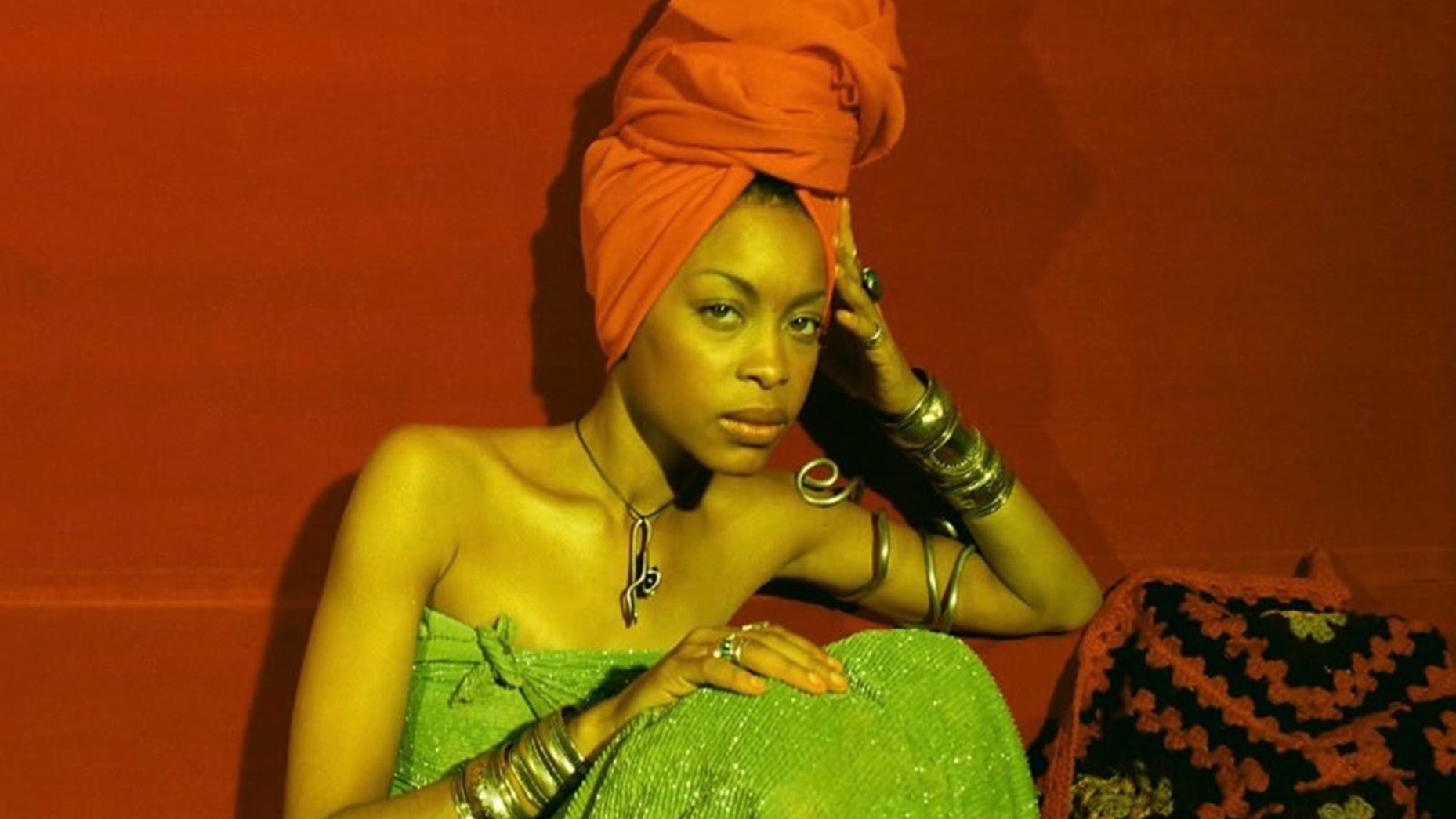
By the mid-1990s, R&B was reaching a commercial peak. The genre was polished. Vocalists competed through technical precision, powerhouse performances, and immaculate production. Record labels wanted crossover hits. Radio wanted bigger choruses.
Over 30 years ago, one woman dropped out of Grambling State University in Louisiana and dedicated herself to mastering her art full time. In Dallas, Texas, Her cousin, Robert Bradford, sent her some beats that he was working on. Turning a bedroom in their grandmother’s house into a studio, the two created magic. A demo.
That demo was taken to the SXSW conference in Austin, Texas, and landed in the hands of Tammy Cobb, the then-manager of Mobb Deep.
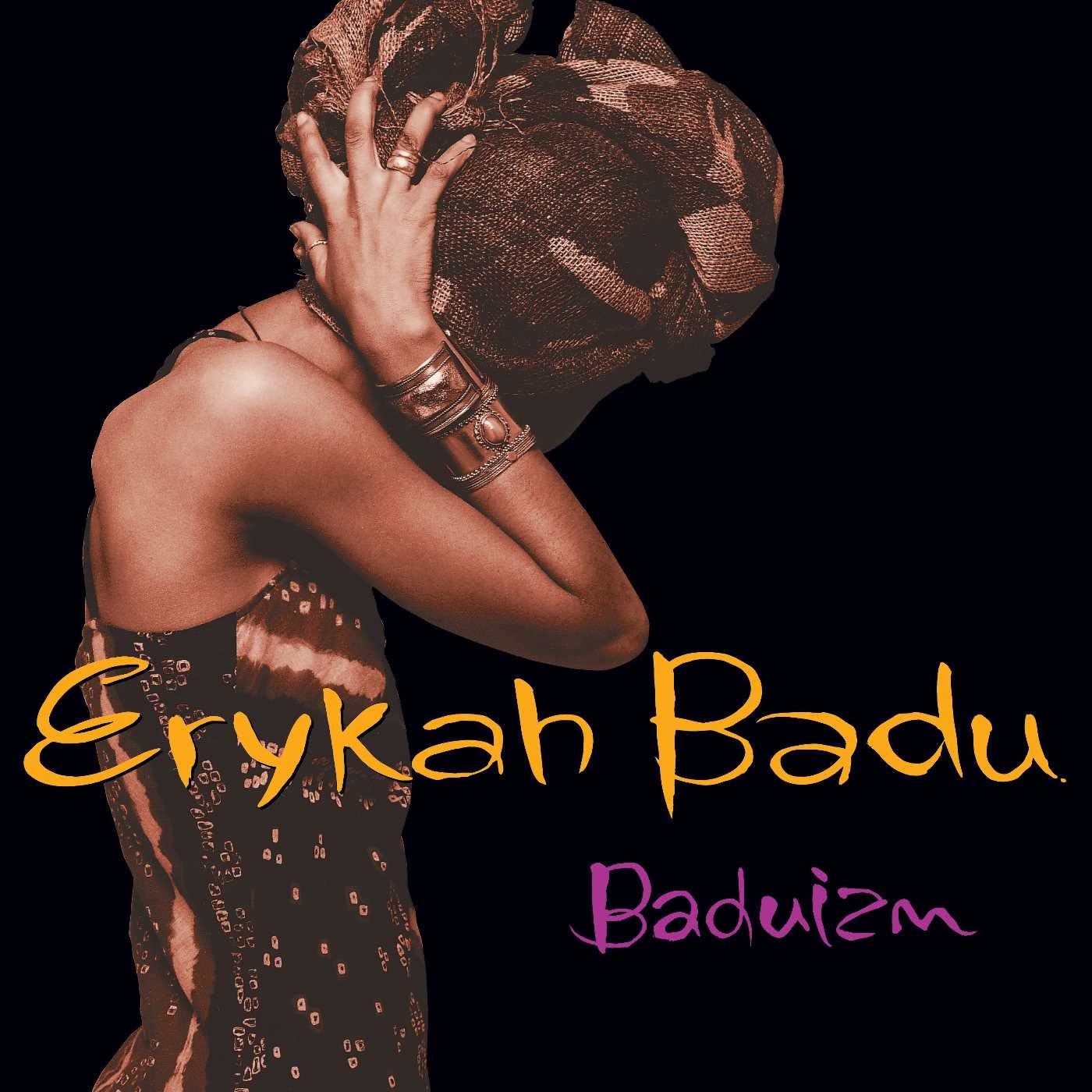
That demo sprouted into a hit we now know as Baduizm by Neo soul pioneer Erykah Badu.
For nearly three decades, Badu has existed as more than a singer-songwriter. She’s become a curator of culture, a mentor, a tastemaker, and one of contemporary music’s most influential creative minds. Long before “creative director” became a job title, Badu was building worlds around her music—through fashion, visual art, spirituality, performance, and an unwavering commitment to authenticity.
The Woman Who Changed the Sound of Soul
When Baduizm arrived in 1997, R&B was dominated by polished harmonies, glossy production, and radio-ready love songs. Hip-hop soul was thriving, and mainstream R&B was bigger than ever.
She didn’t sound like anyone else.
More importantly, she didn’t seem interested in sounding like anyone else.
With songs like “On & On,” “Appletree,” “Next Lifetime,” and “Certainly,” Badu blended classic soul, jazz, hip-hop, spoken word, and African musical traditions into something that felt both ancient and futuristic.
When Baduizm was released in February 1997, it arrived at a time when R&B was dominated by polished vocal groups and radio-ready love songs. Then came this 26-year-old woman from Dallas wearing headwraps, burning incense on stage, singing over jazz chords and dusty hip-hop drums like she wasn’t interested in chasing anyone else’s lane.
People didn’t really know what to call it.
The term “Neo soul” was still finding its footing, used to describe a new generation of artists pulling from classic soul while blending jazz, hip-hop, funk, spoken word, and African musical traditions. But even then, Baduizm felt bigger than a genre label. It wasn’t trying to recreate the past—it was reshaping it.
Listeners connected immediately. Baduizm debuted at No. 2 on the Billboard 200 and No. 1 on the Top R&B/Hip-Hop Albums chart, eventually earning triple-platinum certification in the United States. At the 40th Grammy Awards, Badu took home Best R&B Album, while “On & On” earned Best Female R&B Vocal Performance. For a debut album that sounded nothing like what dominated commercial radio, it proved there was an audience hungry for something more adventurous.
Back then, people called it Neo soul because they needed a way to explain this new wave of artists. But nearly thirty years later, the “neo” feels unnecessary. Listen to Baduizm today, and it still refuses to sit still. Some moments feel rooted in jazz. Others borrow from hip-hop, gospel, funk, spoken word, or psychedelic soul. It doesn’t belong to one genre because Badu never believed music had to.
The Badu Effect
If you spend enough time reading interviews with musicians, you’ll notice something interesting. People don’t just talk about collaborating with Erykah Badu, they’ll talk about learning from her.
Long before Baduizm made her a Grammy-winning artist, those around her recognized that she approached music differently. Questlove remembers meeting Badu before the world really knew her, immediately noticing the way ideas seemed to pour out of her.
“[I’d] never seen someone just full of a bunch of ideas. She had a lot of choruses ready. She was the first person I met that instantly had a clever chorus ready in the stash... I thought, ‘Oh, this girl is going to make it.’”
Badu has built a reputation as the person artists call when they’re stuck creatively—not because she’ll tell them exactly what to do, but because she’ll push them to think differently. Instead of giving answers, she asks questions. Instead of encouraging artists to chase trends, she encourages them to chase themselves.
If there’s one artist who embodies Badu’s philosophy, it’s Solange.
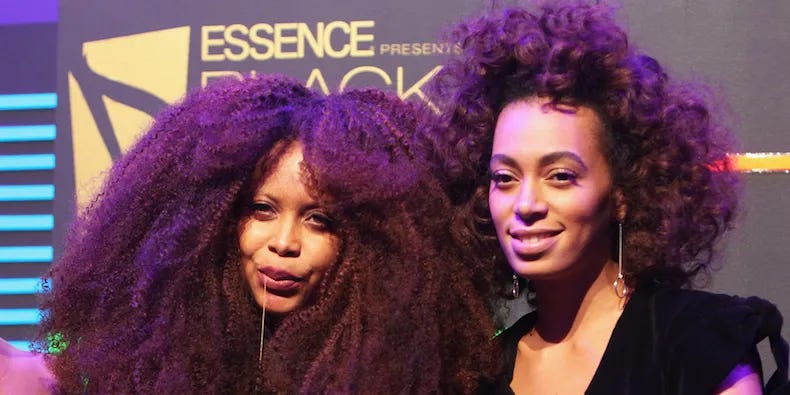
The two have shared a friendship for years, and Solange has spoken openly about her admiration for Badu, calling her an inspiration and someone who showed her what artistic freedom could look like.
“She is mother, she is sister, she is friend, she is auntie, she is chief, she is warrior of many tribes,” Solange said while introducing Badu at the 8th annual Black Women in Music ESSENCE event in 2017. “She is a beautiful reminder that you cannot put us in a box.”
That holistic approach to art echoes what Badu had been doing since the late ‘90s.
Neither artist separates music from identity. Everything matters. The visuals, the clothes, the live performances, even the silence between songs all become part of the story.
Over the years, Tyler, the Creator has spoken about his admiration for Badu and has sought her advice, while Badu has consistently praised his willingness to take risks in venturing into genres. Their mutual respect comes from a shared belief that creativity shouldn’t have boundaries.
Even in a tweet posted in 2012 to X, Tyler shared, “Pronounced Zhane; Brandy; Share My World; Baduism; Faith; Are The Earliest Albums That Shaped Me Musically Today. I Love Them.”

Tyler is known for creating new eras with distinct visual identities. Flower Boy, IGOR, Call Me If You Get Lost, and CHROMAKOPIA, just to name a few. They’re immersive experiences complete with distinct looks, fashion, stage design, and storytelling.
She Made Being “Artsy” Feel Cool
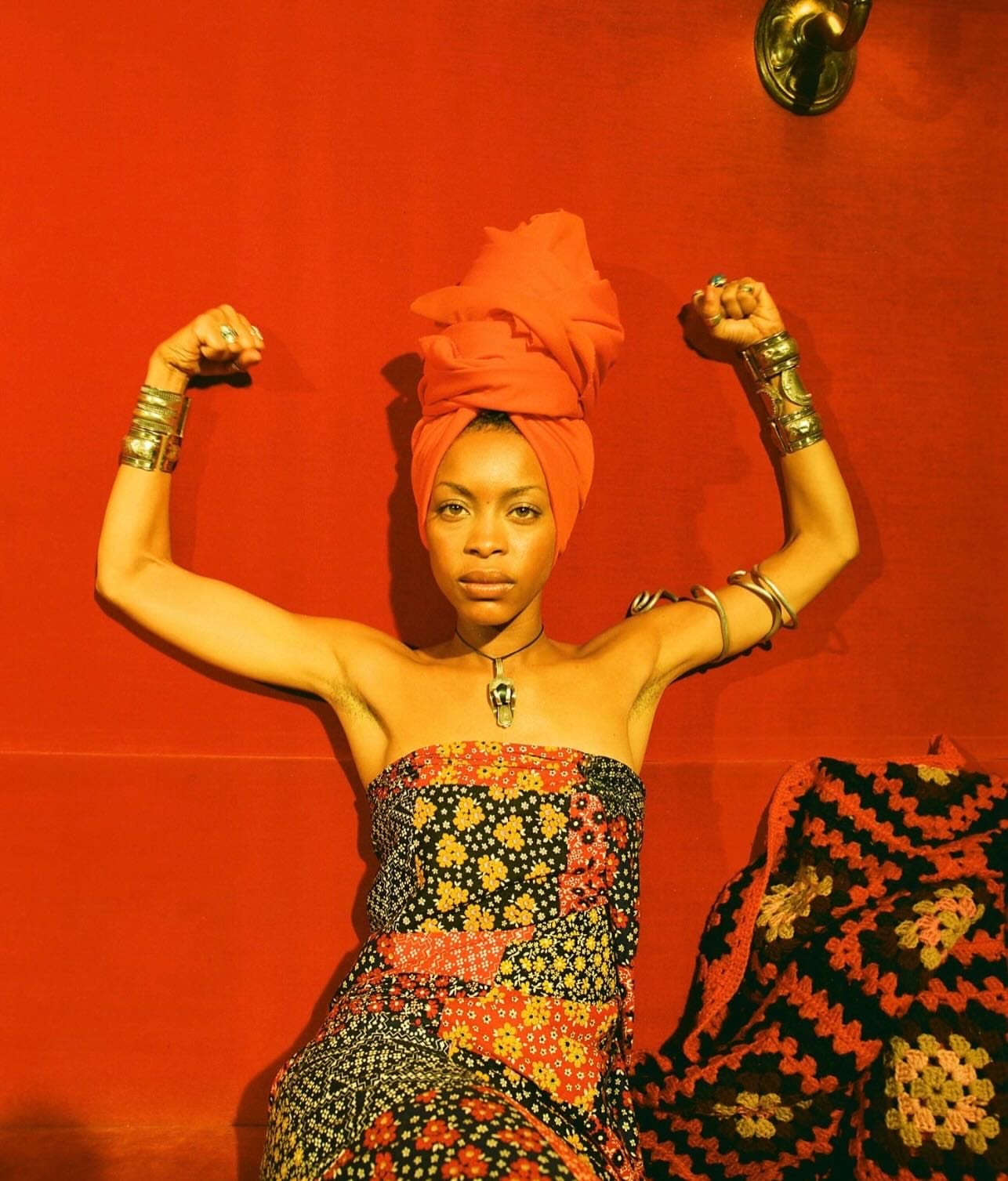
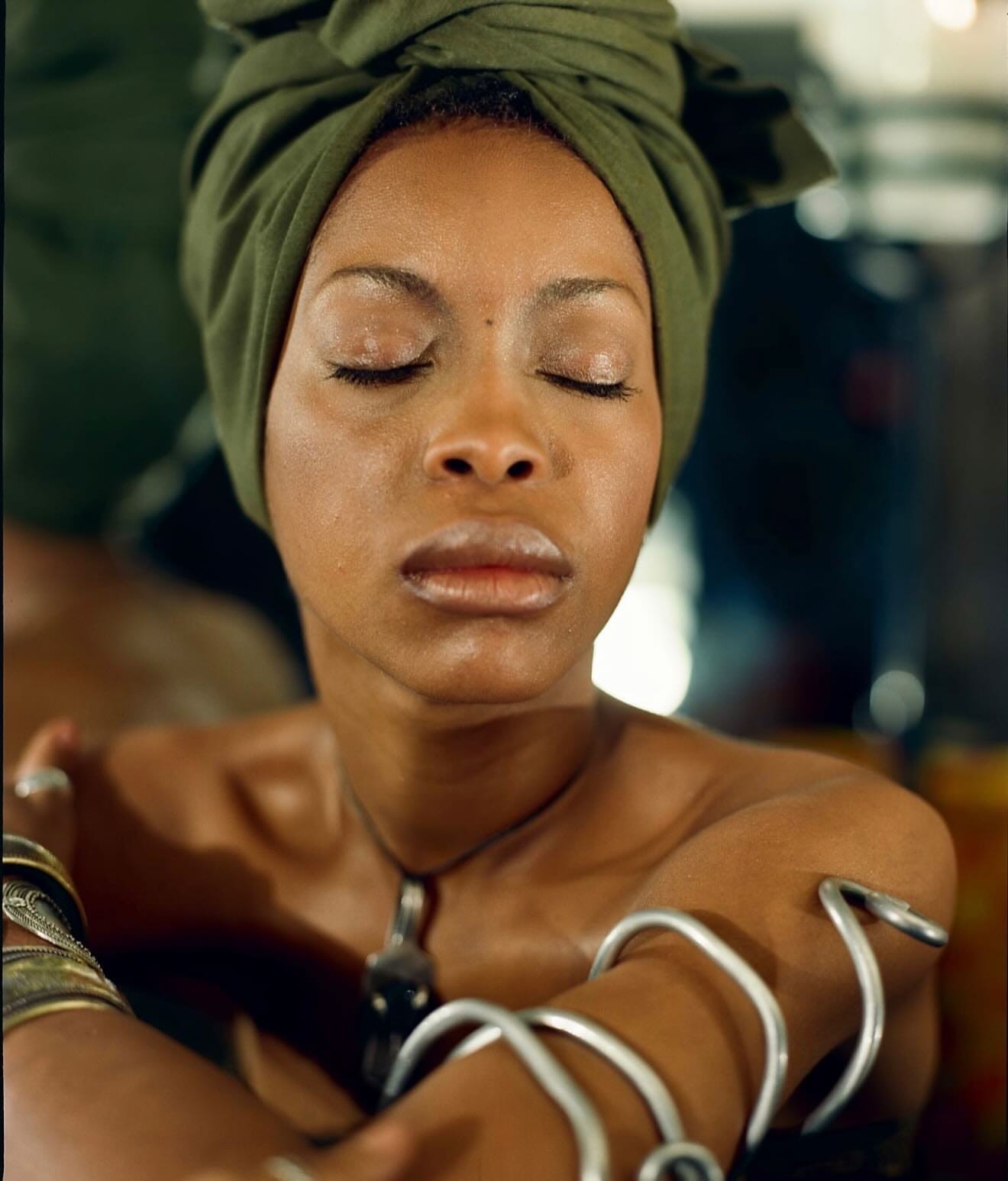
One thing I’ve always loved about Erykah Badu is that she reminded me so much of home. The headwraps, incense, jewelry, all things I saw in the neighborhood in Chicago. Long before social media made “having an aesthetic” part of an artist’s rollout, Badu did it.
I remember flipping through the channels, and I saw the live performance of ‘Tyrone’. It was so magnetic. It was the first time I ever heard of and seen her. Something about her just made me so enticed. It’s like chasing after a butterfly almost.
Maybe that’s why Erykah Badu still feels less like a distant icon and more like that artsy friend who’s always putting you onto something before everyone else catches up.