

Gabriel Jacoby Talks 'gutta child' EP, Being Co-Signed by Justin Bieber, and What's Next in 2026
Gabriel Jacoby is building southern-flavored soul music on his own terms.


YAMS has always gravitated toward those newer artists who feel inevitable. Not because the internet says so, but because their work carries intention, patience, and a point of view that can’t be manufactured overnight. Gabriel Jacoby is one of those artists for me, which is why he’s one of our Artists To Watch in 2026. Listening to his music and speaking with him, you get the sense that none of this is rushed. Every song, visual, and decision feels rooted in something deeper than momentum.
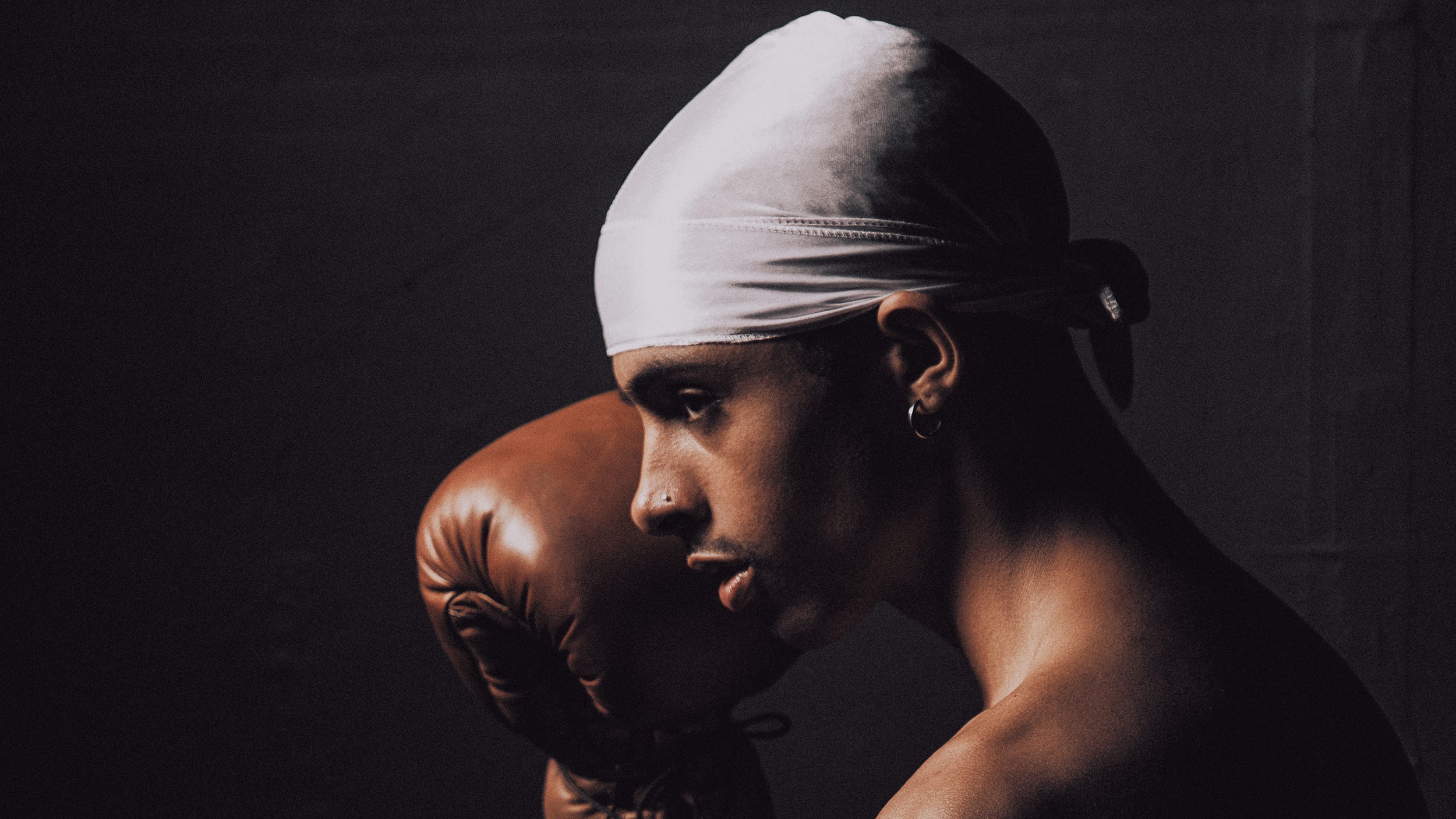
Gabriel’s relationship with music didn’t begin with dreams of stardom or viral moments. It started with instinct. Before he could even fully articulate what music meant to him or even walk, he was drawn to instruments. Piano, drums, bits of guitar. “It’s always been second nature,” he tells me. He wasn’t surrounded by a family of musicians or raised in a hyper-musical household. Music simply found him early, and he followed it.
Church was part of his upbringing, but not in the usual R&B origin story way. He wasn’t leading choirs or singing solos on Sundays. Instead, his connection to music lived in curiosity — touching instruments, experimenting with sound, and eventually realizing that creating felt as natural as breathing.
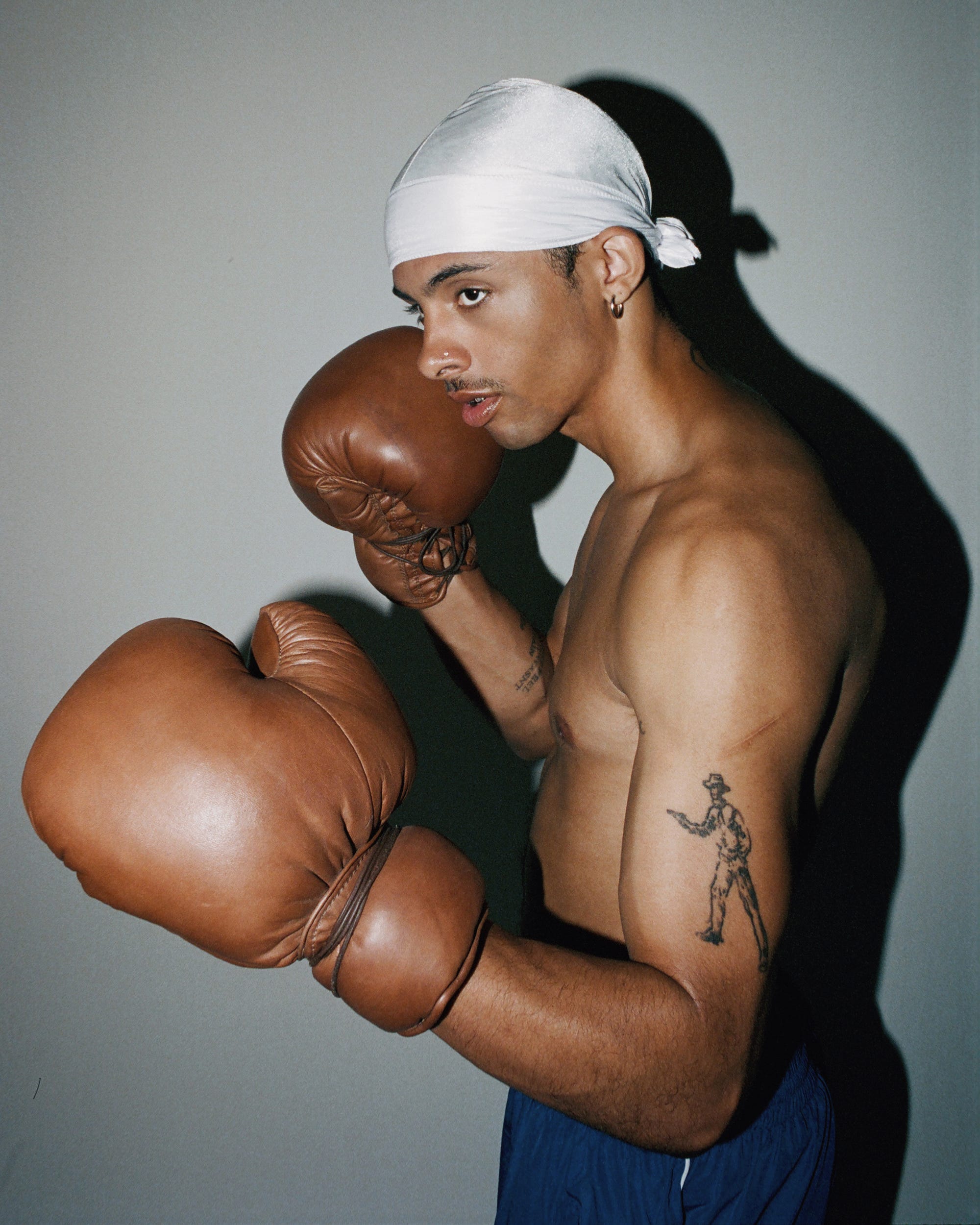
By late middle school and early high school, Gabriel was producing for himself. Poetry and spoken word were already part of his world, and music became the place where everything converged. “Before I ever thought it’d be a career, I just fell in love with creating stuff for myself,” he says.
That mindset still defines him today. Even as opportunities grow, the foundation remains personal first, public second.
A Southern Sound That Refuses a Box
Trying to pin Gabriel Jacoby’s music to a single sound is a losing game, and he’s fine with that. Born in South Carolina and raised in Tampa, Florida, his music carries the weight and warmth of the South without leaning too heavily into stereotypes. Instead, it feels expansive. Blues, funk, R&B, rap, and soul all coexist without competing.
“I use my experiences and my environment to my advantage. At the end of the day, it’s just honesty and authenticity.”
That honesty comes from a wide range of influences. Growing up, he cycled through Outkast, Nina Simone, and Bob Marley almost exclusively — an unconventional but revealing trio. Later, Florida reshaped his ears. Lil Wayne, Nappy Roots, and a lot of gritty Dirty South music. Those influences don’t show up as imitation; they show up as texture. His music doesn’t sound like anyone else’s because it isn’t trying to.
That refusal to flatten his sound shows up across his catalog. Songs like “Forever” introduced listeners to a raw, arresting voice and perspective. “Hillside” revealed a completely different energy. And then, gutta child arrived in 2025 — not as a pivot, but almost as his thesis statement.
gutta child: An Alias, Not a Gimmick
For Jacoby, gutta child isn’t just a project title: it’s an identity. The name came from a session with producer Elie Rizk, who initially floated it as a potential idea. Jacoby didn’t immediately latch onto it, but as the project began to take shape, the meaning became undeniable.
“It really is who I am, in a project,” he says. “I’m speaking on me as a child.”
gutta child is about growing up close to real life, not romanticized or sanitized. It’s about kids and adults who exist outside the clouds, who understand struggle but also recognize the beauty within it. Gabriel was intentional about making a project that could speak across ages and experiences. It’s grounded in reality without being weighed down by it.
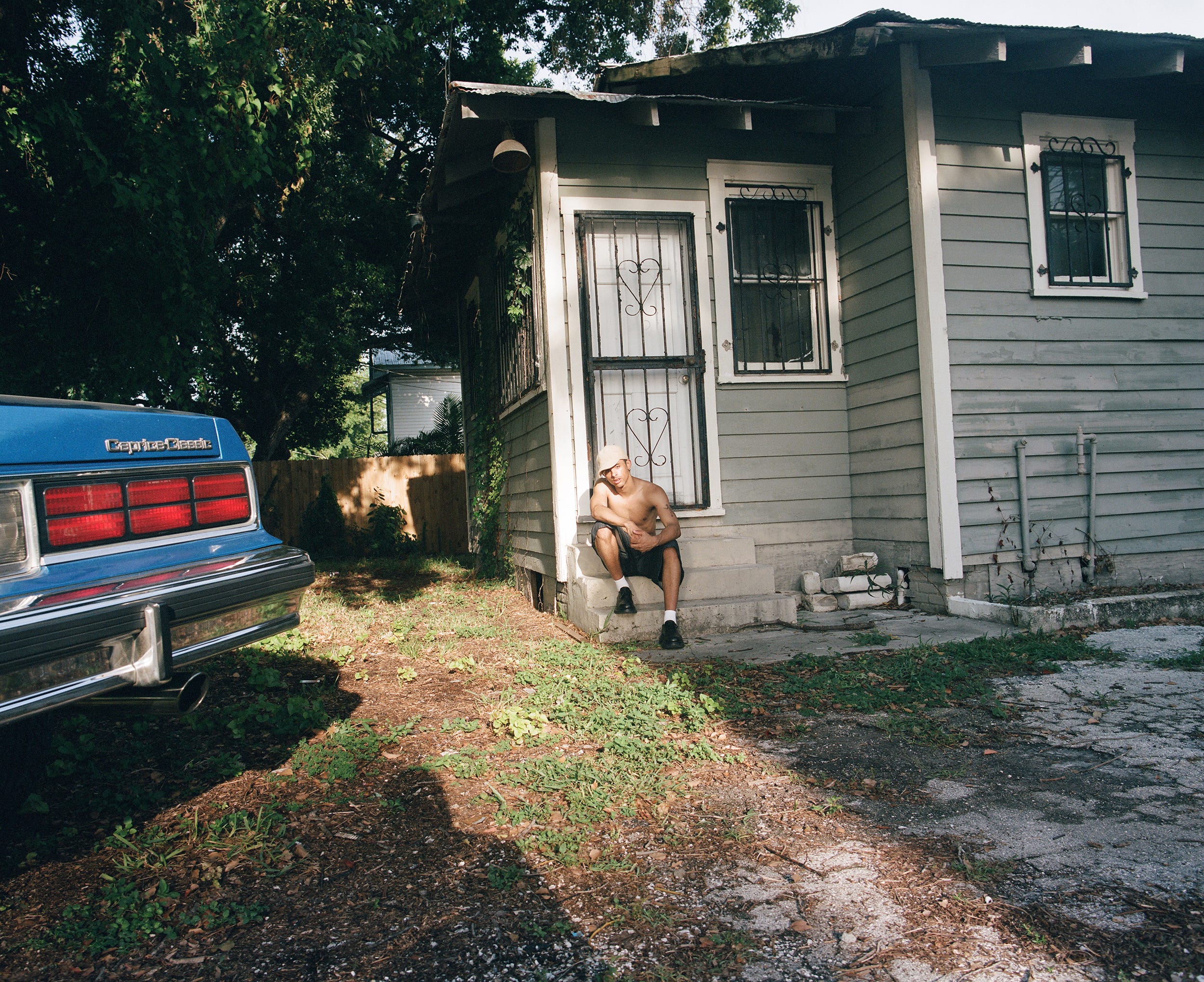
Sonically, the project leans into blues and funk as foundations, but Gabriel was clear about one thing: he didn’t want it to feel old. “I wanted it to sound timeless,” he says, noting that blues is the backbone of so much modern music. The goal wasn’t revivalism; it was continuity.
Even the simplicity of the title mattered. In an era where projects often arrive with long, abstract names, gutta child feels bold in its restraint. Gabriel Jacoby (like me) is big on visuals, on cohesion, on making sure what you hear and what you see speak the same language.
That visual language is also one of Jacoby’s strongest calling cards. His videos don’t feel like afterthoughts. They feel like world-building. Skating rinks, back roads, front yards…familiar Southern spaces. They aren’t aesthetic choices, but more so memories of life lived.
“When I’m making the beat and writing, I’m thinking of the visual at the same time. If I don’t see a movie in my head, it’s hard to bring it all together.”
Every song that made it onto gutta child came with a clear image attached. From the skate rink in Tampa he grew up visiting, to the angles and movement of each shot, Jacoby already knew what he wanted before cameras ever rolled. That clarity allows him to take a creative lead — and it works because the people around him trust his vision.
The Co-Sign That Found Him
In 2025, Jacoby’s year quietly expanded. Touring with Khamari exposed him to new listeners discovering his music in real time. A COLORS performance of “be careful” put his artistry on a global stage. But the moment that caught a lot of attention happened without a press release or a rollout.
In early December, YAMS posted Gabriel’s music content on our Instagram page. The post started to take off, receiving likes from thousands of new fans. One of them was pop superstar Justin Bieber. 24 hours later, Justin was following Gabriel, DM’ing him, and inviting him to hang out.
What began as mutual appreciation turned into time at Bieber’s creative compound in Los Angeles — an experience Jacoby describes as organic and grounding rather than surreal. “When he hit me up, he told me how inspired he was by my music and the visuals. He was just showing love. I’m not used to that from other guys, so it was dope,” Jacoby says.
What stood out to Gabriel most wasn’t the celebrity of it all, but the energy. Bieber’s openness, his encouragement, and the environment itself. It all reinforced something Jacoby already believed. When you stay true to yourself, the right people find you.
What’s Next For Gabriel Jacoby in 2026
Despite the momentum, Gabriel Jacoby isn’t rushing toward a debut album. Instead, he’s thinking in eras. You’ll catch him back on tour soon, and he’s already deep into creating his next project — something that continues the gutta child world rather than abandoning it.
“I just want to get right into that,” he says. “That way when we look back, it’s like, okay — this was the beginning.” Expect sharper records, more blues influence, moments of rapping, and a deeper sense of confidence. Jacoby is still building, still refining, still letting the music arrive when it’s ready.
That patience is exactly why YAMS is watching closely. Gabriel Jacoby isn’t chasing the moment. He’s shaping something that’s going to last. And in 2026, the rest of the world is going to catch up.
I am so excited to watch him grow, I found him last year and he’s one of a kind.