

Baby Rose and The Art of YEARNALISM
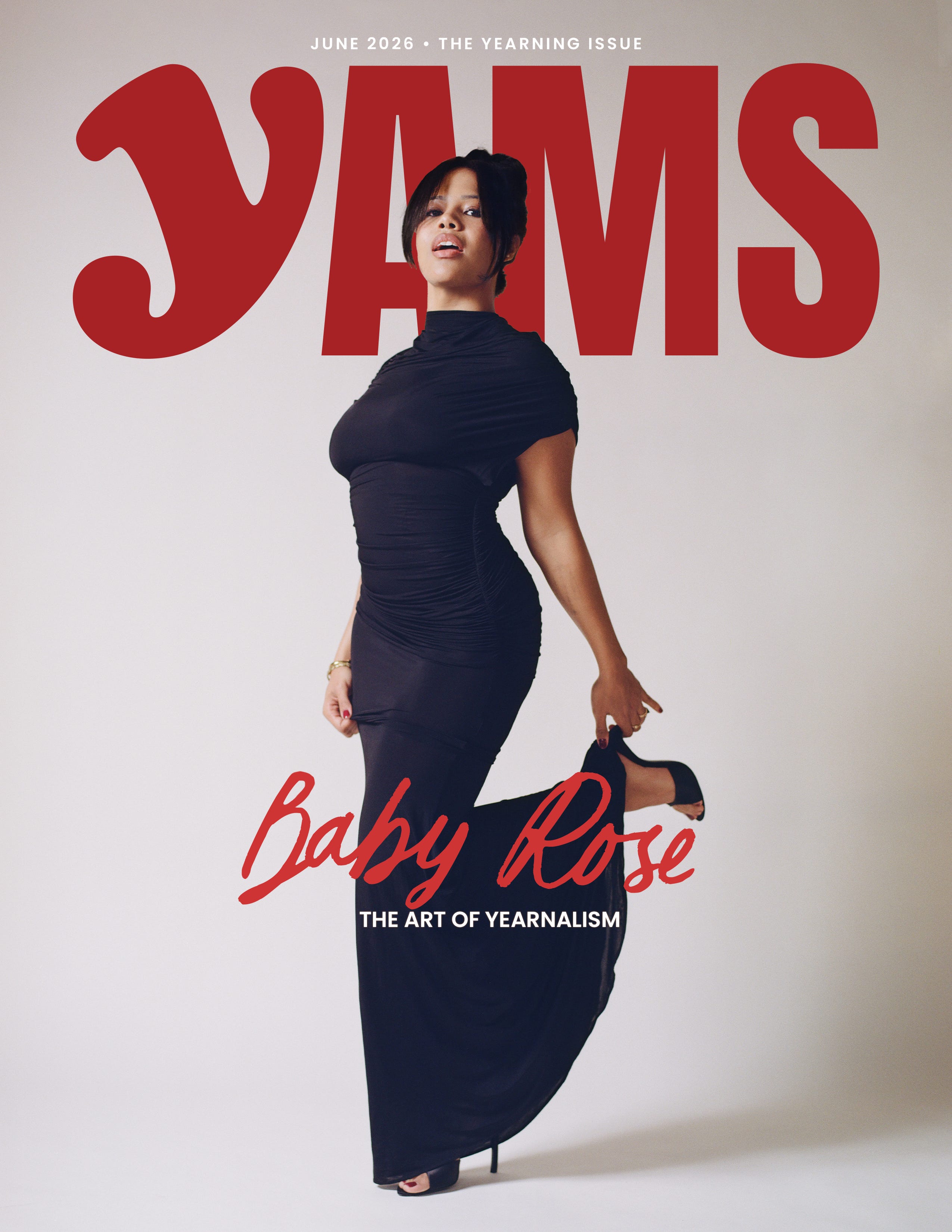
Our Yearning Issue cover star Baby Rose is gearing up to release a new album that fights for love and wants you to study yourself more deeply.


There’s a red piano somewhere in this story, and I want you to picture it before we get to anything else.
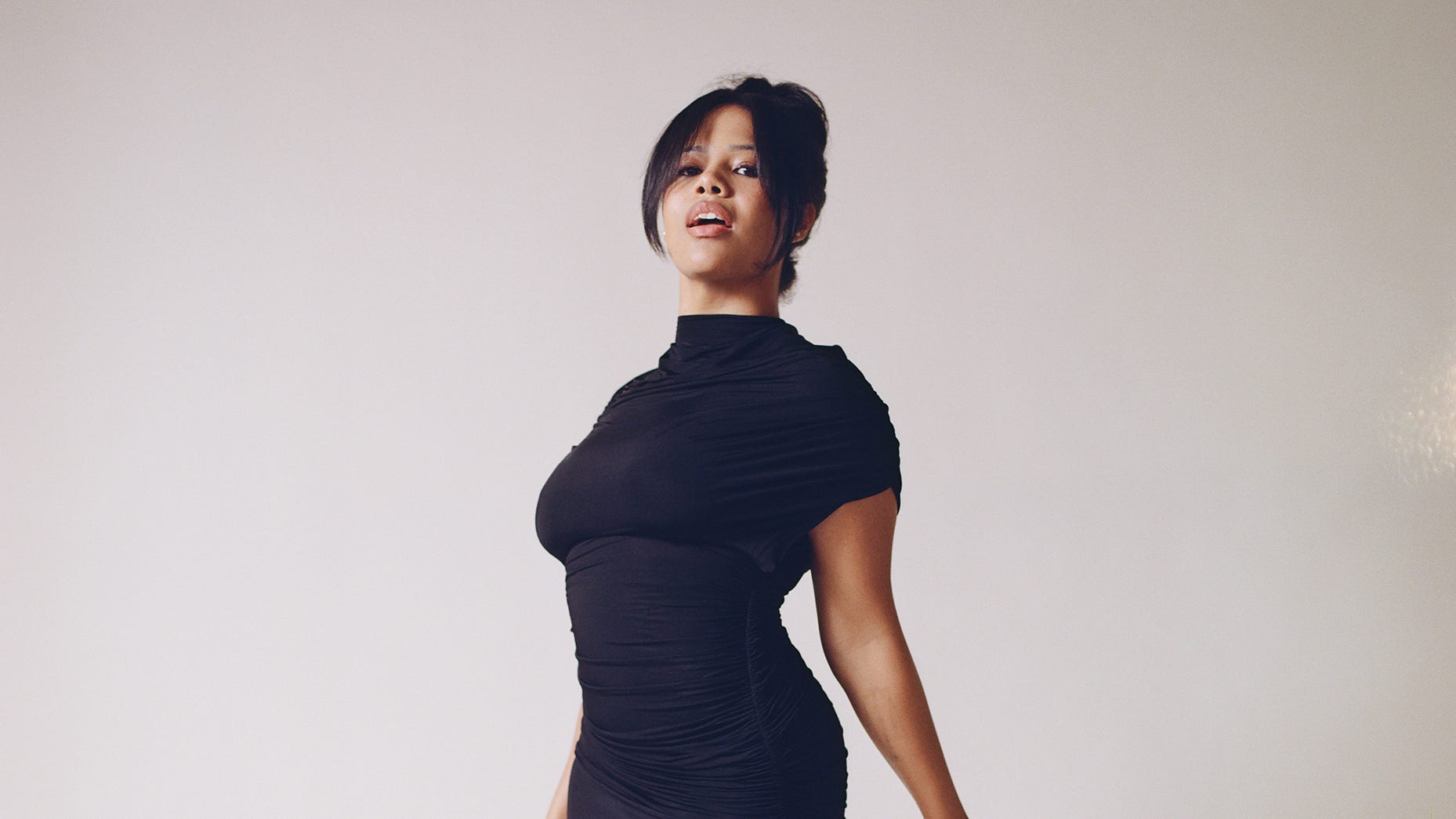
Baby Rose painted it herself as a kid, because she loved Elton John and figured if she was going to fall in love with an instrument, it might as well have a personality. By then, she’d already been writing poems in composition books she’d hand to her aunts, who are English teachers. Her tight-knit family was the type that threw talent shows every Thanksgiving and Christmas and expected you to get up there. Her mother started as a songwriter and then, in what Rose calls “a random side quest,” managed a hip-hop artist, which meant there were producers in the living room and Triton keyboards within arm’s reach. Her dad promoted parties in Washington D.C. and played her Roy Ayers, house music, and acid jazz on the drive to school. Her great-aunt — who she counts as a grandmother — ushered at one of the biggest churches in New York, sang in the choir, and was always, always humming hymns.
“Foundationally, all of these ingredients really formed my psyche around music,” she tells me. You can hear every one of them.
Her 10,000 Hours
When she moved to North Carolina at twelve, she brought the piano with her. Her mom started driving her to the studio to record the ideas she’d been writing in the foyer. She didn’t put anything out for the world until around 2017, on SoundCloud — but there were ten years before that. “Music the world will never hear,” she says, the stuff that got her over the fear of performing and made her fall in love with being in the room. “It’s been a long time coming, for real.”
I keep coming back to that, because that’s what separates good artists from great artists in my opinion. Some artists are cool. They make their music based on what’s trending, what’s being played on the radio or in the clubs. They are comfortable with letting a label exec or producer tell them what’s good and what’s not. But there are those who have done their research and studied the craft. They’ve got the references from the ‘60s and ‘70s and beyond in their bones — and that music is always ten times better.
Baby Rose is the second kind, and she’ll tell you who’s in her musical family tree if you ask. Donny Hathaway, Amy Winehouse, Tina Turner, Stevie Wonder, Janis Joplin, Marvin Gaye, Frankie Beverly, and “North Carolina’s own” Nina Simone. She doesn’t just love them, she studies them — where they were, the feeling tones, the pain. “There’s a lot of pain behind a lot of that music,” she says, “but there are also stories of people who have overcome.” She looks at the already-open doors and asks what she can take and bring forward.
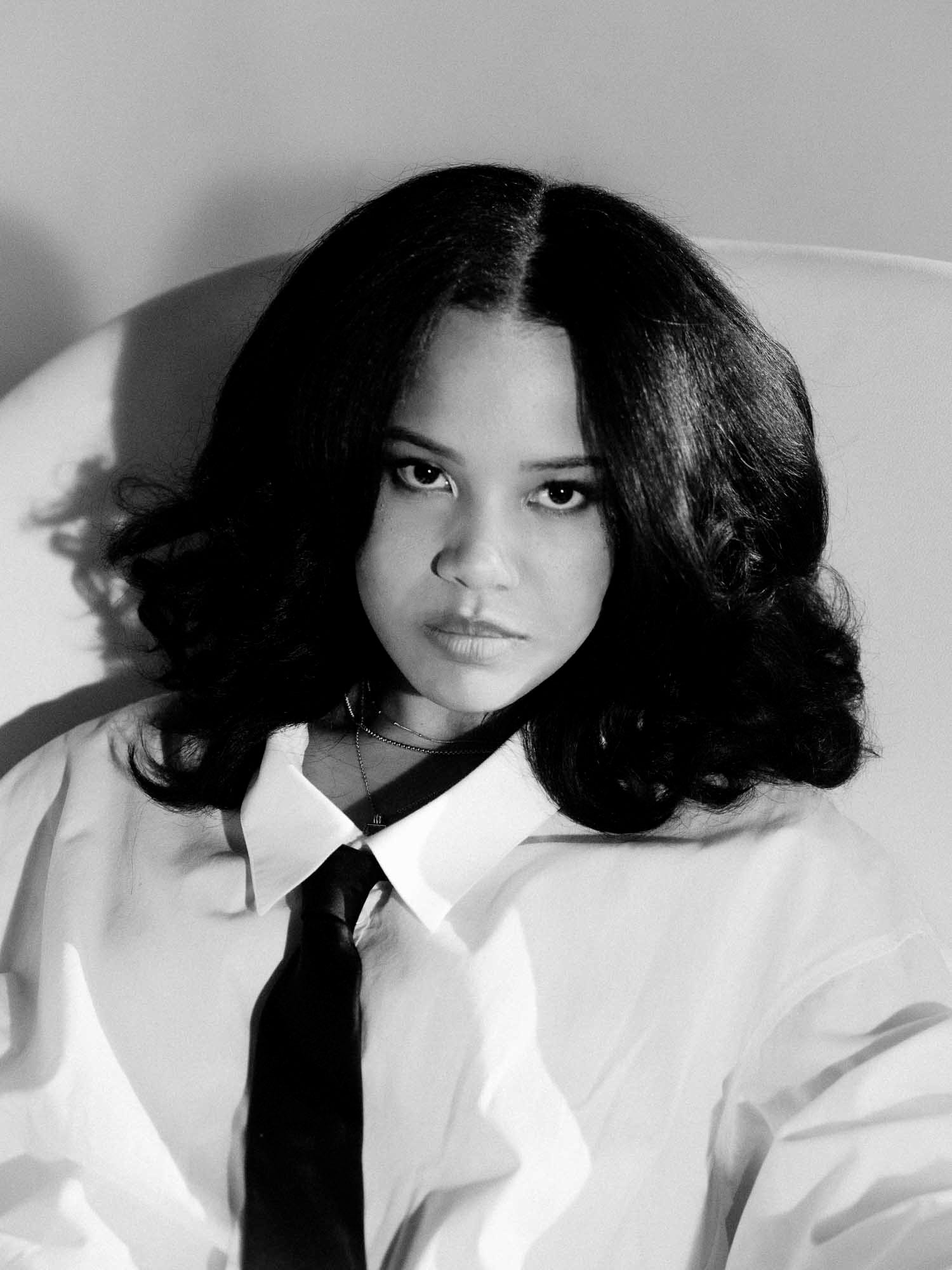
And then she says the thing that makes everything else make sense:
“Today, we need authenticity, realness, and the love of the creation of music. We need to show our work more than ever because of this AI revolution.”
She thinks a renaissance is coming to meet the moment — pointing to artists like Thee Sacred Souls, Olivia Dean, and a whole class of musicians doing it the long way. And she’s grateful to be putting out this new album, YEARNALISM, in 2026, in that company. “God’s timing is impeccable.”
The Art Of YEARNALISM
Here’s where it gets interesting. All of her releases before YEARNALISM (multiple EPs and two albums) were, by her own account, for her. “They were all about me, and if you like it, I love it.” This one is different. “It feels like more of an offering to the whole current state of what’s happening,” she says. “Let’s not numb ourselves. I know it feels hard. But you gotta feel through it.” She’s talking about vulnerability as a kind of strength, love as ammunition — all the things that sound like clichés until you’re the one who has to live by them. “Now I feel like, dang, this feels like a deeper meaning than I intended,” she admits, and she sounds a little surprised by it, which is the best part.
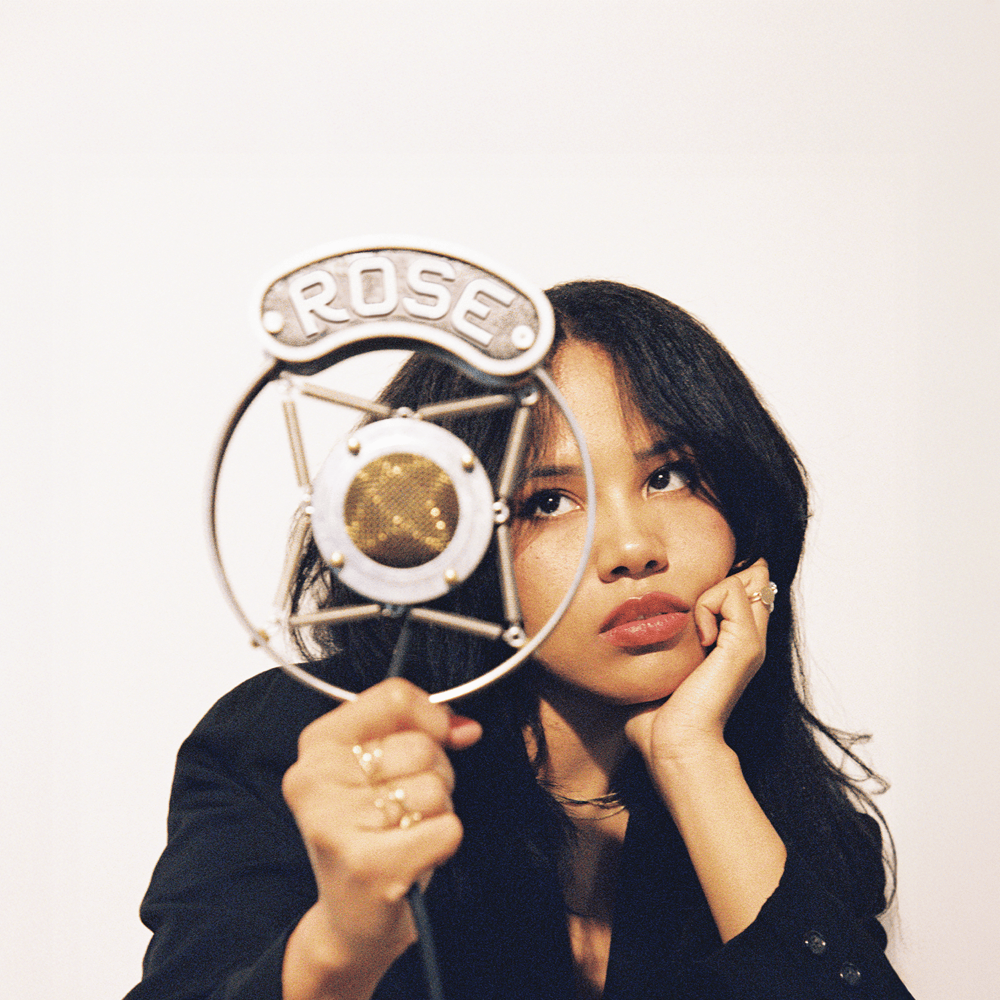
The album title YEARNALISM is, for my money, the best one I’ve heard in a long time, and the origin is perfectly of-the-internet. She saw a meme that said something along the lines of “I majored in yearnalism” and dropped it in as a placeholder on her working files for the album. Her manager KJ looked at it and said, "That’s the title.”
“Yearnalism” is a play on journalism: documenting desire in all its forms, using her platform to show what yearning actually looks like. “It’s cheeky and cute and great, and an entryway into something that has more depth.” Because the bigger point is real. “Everything right now reflects late-stage capitalism if we’re gonna be real. Every man for himself. Pull yourself up by your bootstraps. We’re forgetting, inherently as humans, the need for community, the need for each other. For love. For our own sanity.”
And here’s the flex underneath it: these are some of the simplest, most direct, least metaphorical lyrics she’s ever written, and she’s proud of that. “When I pray, I ask God to make things extremely simple for me,” she says. “So now I’ve made things extremely simple for myself to understand. And, you know, giving that as an offering to others, too.”
Though it’s not being released until July 10, I’ve heard the entire project and can confidently say it’s one of the albums of the year. Remember that family tree I mentioned earlier? It’s a perfect concoction of those inspirations, coupled with Baby Rose’s one-of-one, smoky voice and tone. It’s bluesy, it’s funky, it’s soulful, and it’s very much needed right now. Songs like “Dressed In Metal” and “All My Love” are bound to become fan favorites upon release. This music is healing and encouraging and meant to be felt.
Analog Cousins
The two YEARNALISM features, Leon Thomas and Elmiene, weren’t random selections. They were kinship; two more people pulling live instrumentation and analog warmth back into the room. Rose and Leon first connected during a jam session for his album MUTT, and she didn’t even know the song was making the tracklist until he told her they were leaving it exactly as it was. That album went up for Best R&B Album at the GRAMMYs and won. “That’s when I really had to trust the process,” she says. “Leon is an instrumentalist, a producer, an arranger, a singer. He understands every side.” When “Friends Again” — now her biggest song to date — came back from him, she was floored. “He understood the assignment so well. The yearning, the adlibs, everything.”
She met Elmiene at Tom Brenneck’s studio, the producer behind “Friends Again.” Elmiene was working with Tom and needed help writing something. She jumped in on sight, told him to pull up the next day, and they cut music, just playing around. Months later, she asked him to try something over what became “Is This Love,” and he wrote it with her that same night. The funny part: his first instinct was to sing it as a guy defending himself, trying to end things — should it be this hard? Rose wasn’t having it. “I told him, think back…people crying in the rain…anything to save love.” Because the whole thesis of the song — of the album — is that it can’t be one-sided. “Both partners have to want love to happen, and to last, and to make it.” She laughs. “We’re trying to save some relationships here.”
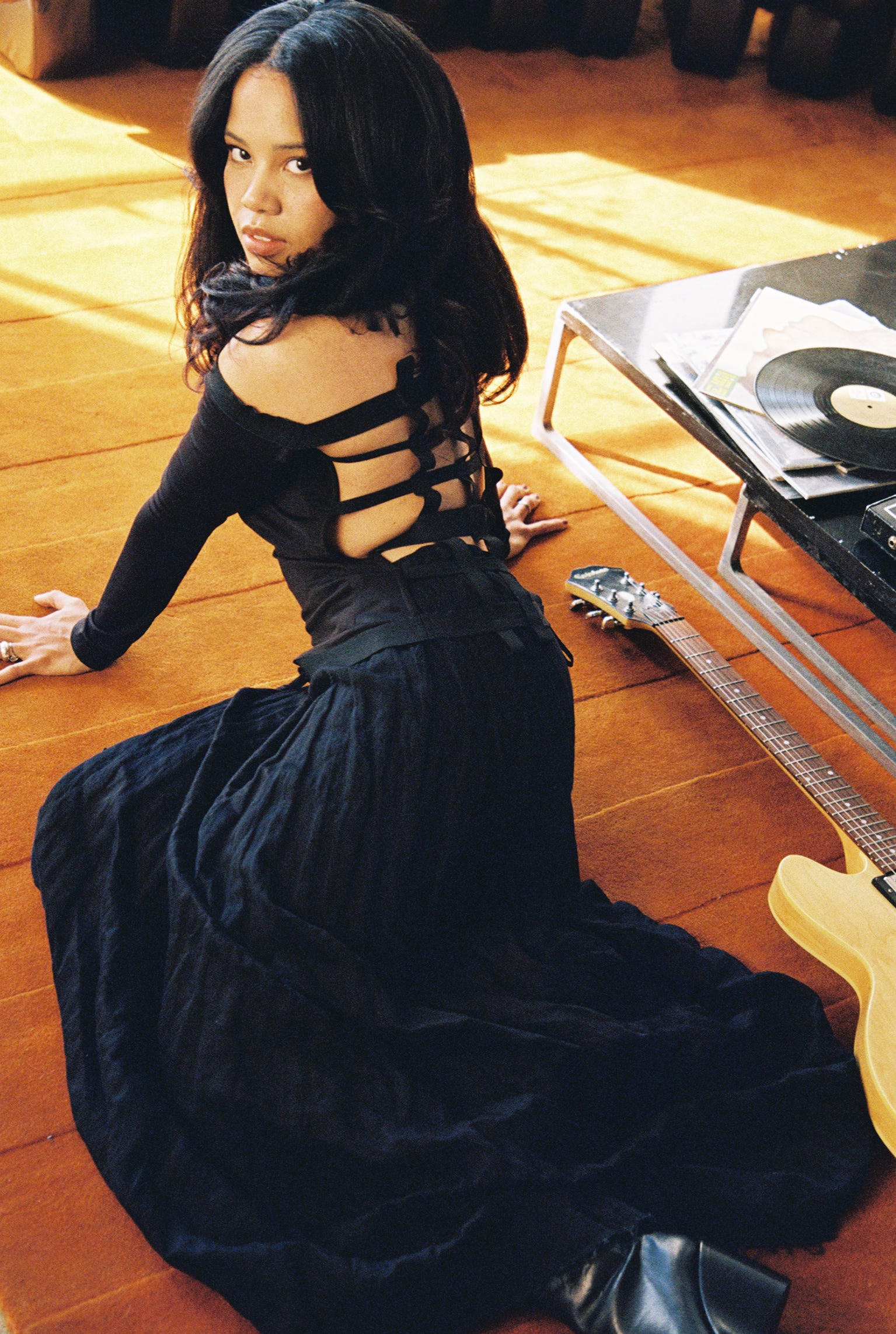
That’s also why she’s created a communal safe space called Yearners Anonymous to coincide with this album rollout. A few cities, starting in London: she plays the record, opens the floor, and people just have real conversations. “A revolution isn’t started in a big wave,” she says. “It starts with small conversations and small gatherings.” She wants people to leave having made a friend, less alone than when they walked in. And the more you talk to her, the more you understand it’s not a campaign — it’s who she’s always been. “If you know my music, you know I’ve been radically vulnerable this whole time. Yearning is not a new thing for me.” Her fans aren’t just fans to her. “They’re really friends. I just haven’t met you in person yet.”
Black Soul Reigns Supreme
I asked her about something that’s constantly a topic of conversation online: the way Black singers get filed under R&B by default, no matter what music they’re actually making. She doesn’t flinch. She nods back to redlining. Then she flips it. “Soul music birthed most of these genres, rock and roll included. When you look at the origin of a lot of these genres, Black people have been the origin.” So the reclamation happening now — Beyoncé and Shaboozey in country music, Olivia Dean walking into pop like she owns the room — isn’t a stunt, isn’t a point being scored. “It’s not a thing of sticking it to anybody. We’re just fire like that. We’re boundless.”
She’s been bluesy and soulful since she was twelve, she says; she just “had to let that catch up.” Along the way, she made pop, country, rock, and R&B, and what she took from all of it was appreciation and energy.
“Take away the words, take away the melody — what kind of emotion is that bringing forward?” She’s in service of the song. If a song calls for agitation, she’ll lean into alt and rock. If it’s meant to be more sobering, she’ll lean into folk and just guitar, nothing else. She refuses the box outright: “I’m not looking at it like, ‘I’m a young Black girl, I gotta stay here.’ No. Life is short. I gotta go crazy — if not for me, for everybody before me.”
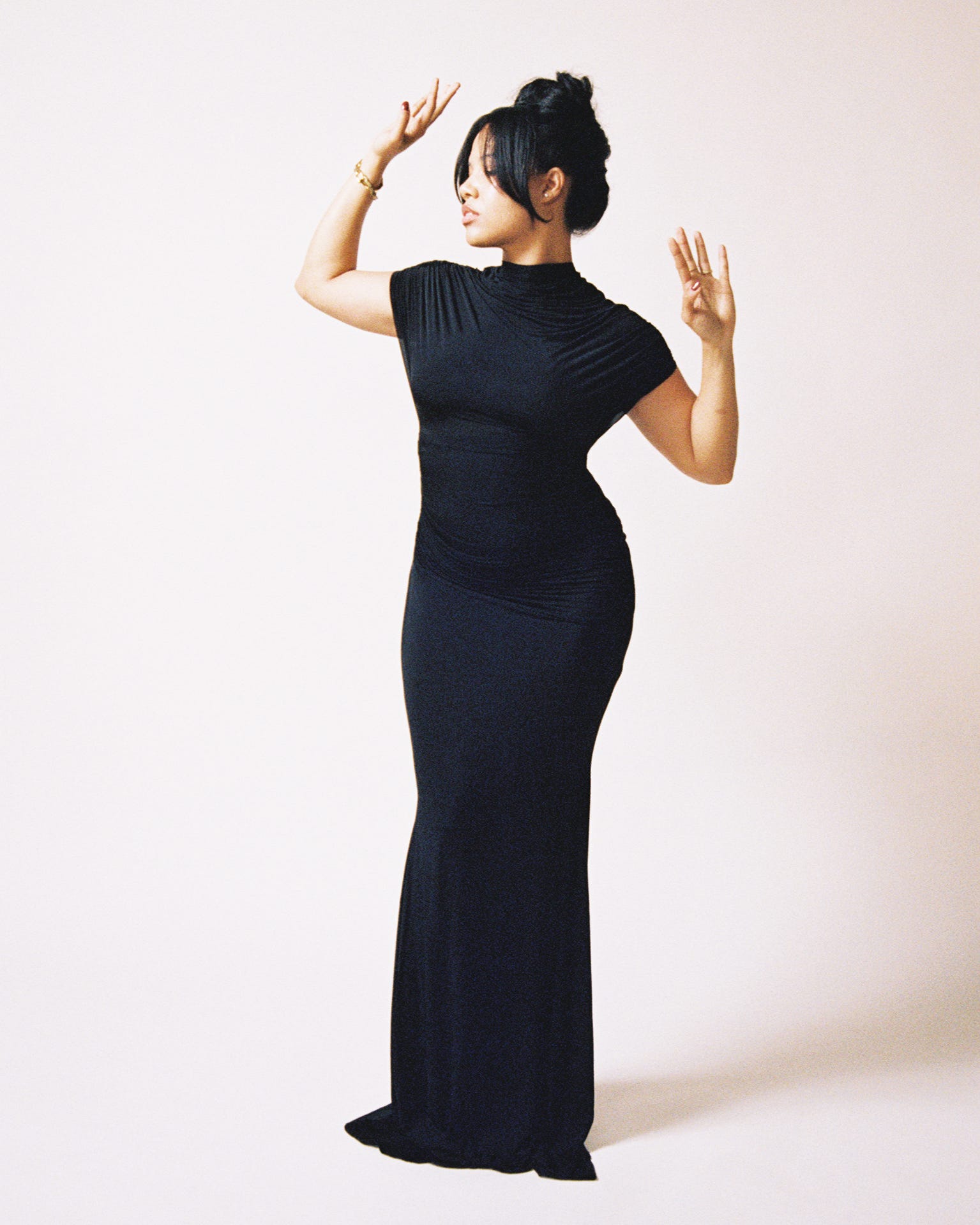
Then she runs the receipts, laughing the whole way through. Tina Turner won GRAMMYs for Best Rock Vocal Performance and Best Pop Vocal Performance in 1985, and was nominated in R&B categories that same year. “The doors have already been opened if you do your research.” But after Tina? “Brittany Howard, okay — but that’s twenty years later.” Beyoncé won Best Country Album in 2025, and the response by the Recording Academy was to invent a whole new category for “contemporary” country music. “They were like, never again.” She laughs because that’s the move. “I have to laugh at it, as most Black people do. We make jokes out of it.” When we do something, we tend to be the best in the world at it, she points out — golf, tennis, take your pick. “No shade. It just is what it is, historically.” And then, very calmly: “I gotta pay attention to what’s of service to me, not what’s gonna bring me down. God is bigger than all of that.”
Baby Rose and Olivia Dean
At this point in our conversation, Rose drops the news to me that she’ll be joining Olivia Dean’s The Art Of Loving arena tour across the United States, and we fan out for a cool 7 minutes.
I fell to my knees,” she says. “I was literally like, are you kidding me?”
Her mom saw it coming. She used to tell Rose she’d be playing arenas one day, and Rose would push back, “Mom, that is way too much pressure. People just wanna hear me in smaller rooms, more intimate.” Her mother didn’t budge: I get that, but this is what you’re gonna be doing.
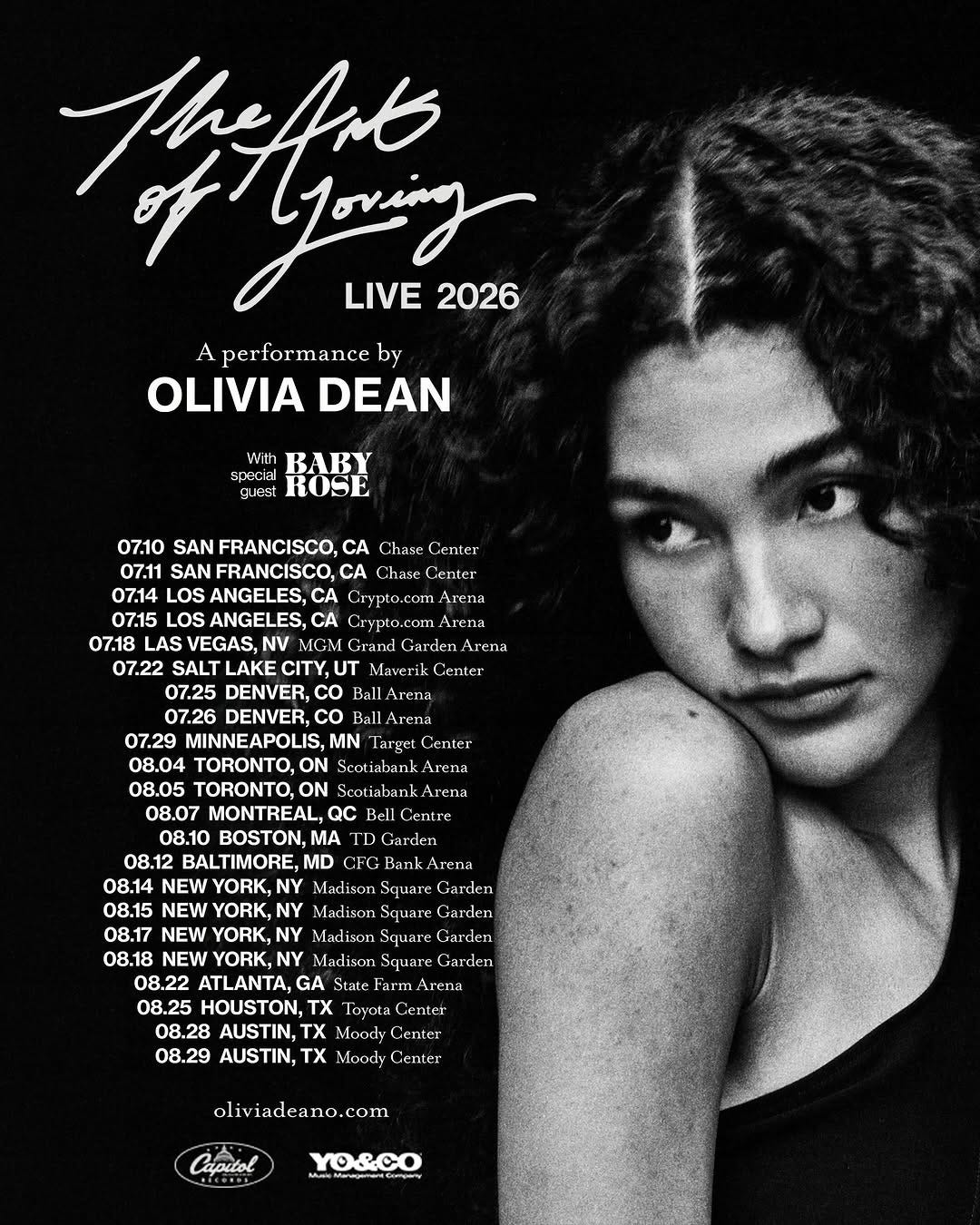
What gets her isn’t its size, though. It’s how it happened. Olivia came to Rose’s show at London’s Jazz Cafe back in 2024 — by herself, as a fan — and bought a vinyl and took a picture, back when she was still playing smaller rooms, too. Two years later, she’s selling out Madison Square Garden four nights in a row, and she’s bringing Baby Rose along. “It feels historic,” Rose says. “Two Black women doing Madison Square Garden four nights in a row.” She sits with it for a second, then finds the word she wants: alignment.
She’s ready for the room this time. Giveon took her through European arenas earlier this year, so the scale is “out of my system,” and now she just wants to enjoy it. “I’m gonna go up there, be myself, and have a ball.” Thirty minutes a night. “We could do a lot with that.”
And the kinship is the whole point. Olivia is the kind of artist Rose recognizes on sight — someone who’s done the research, who gives credit where it’s due (they bond over Carole King), who leads with “pride to the side, be the man I need.” That’s the Renaissance she keeps pointing to, made literal. Two artists who care about the process, out here restoring, in her words, a little love in the chat.
Study Yourself
I asked what she hoped people would carry away from the record, and she gave me something closer to a sermon than a soundbite.
“I hope my fans know that desire is the light that keeps us alive. It’s not wrong to want more, to want to be the greatest version of yourself, and to yearn for love. I hope they know they’re not alone in that, and know to use it wisely. Whenever we feel like giving up, we should remember that every cell in our body desires to keep us here, and is working as hard as it can in service of keeping us here. The breath in our lungs, and everything, it’s always occurring in us.”
YEARNALISM, it turns out, is partly literal. She’s been studying herself: her triggers, what motivates her, the habits she’s keeping and the ones she’s letting go of, the relationships, the things worth holding on to. She’s even rebuilt her definition of success around it. “One of my markers of success is when I look at the fact that my mom is here, my brother’s here, everybody’s healthy, and I can go home to Atlanta, to Lilburn, and just be in the sunroom. I feel successful. I feel at peace. Peace is a marker of success for me.”
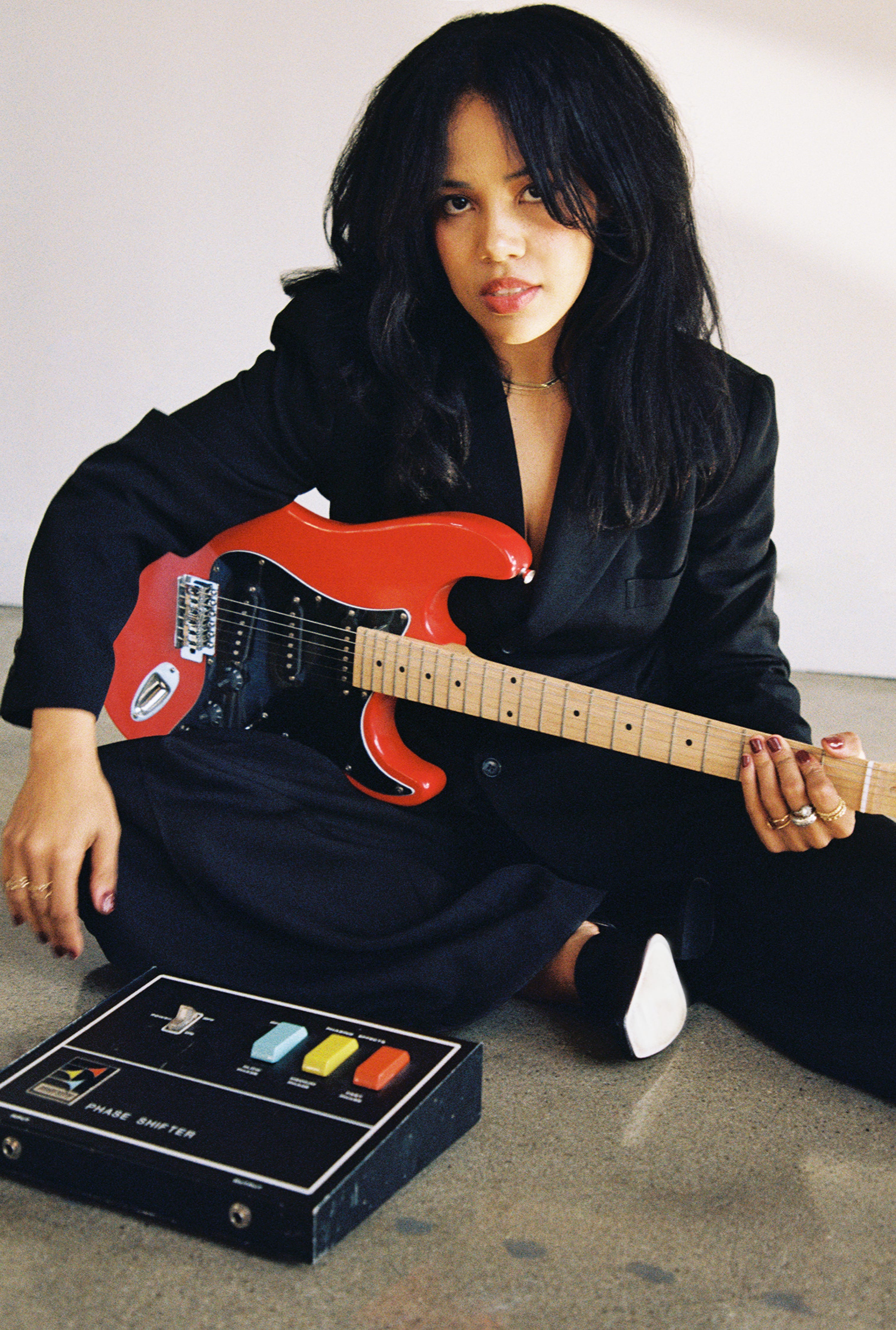
She wants you to study yourself, too. To question anything that makes you numb. “The opposite of love is not hate or anger. It’s apathy. When you give up, and you stop caring about things, that’s when you’re denying yourself of love.” Anger, at least, points somewhere. It means you still want something. You still yearn for more.
We don’t get a guide for any of this, she says. “We just have podcasts and TikToks, and everybody’s a therapist, and you’re like, OMG am I doing this all wrong?” So she’s offering the next best thing: a record that asks the questions out loud, and ends — like she ended our conversation — with all her love.
Credits:
Photographer: Louisa Meng
Writer: Dante Nicholas
Executive Producer: Dante Nicholas
Amazing artist and amazing read!
Great read, I’m excited for the album